

Overview of the Kent Meningitis Outbreak
In March 2026, health authorities in the UK reported a significant meningitis outbreak in Kent, with cases primarily around Canterbury and the University of Kent. The outbreak is caused by Neisseria meningitidis, the bacteria responsible for meningococcal disease. The most common strain in this outbreak is B strain (MenB), which can lead to life-threatening infections if not treated promptly.
Local hospitals reported a rising number of patients, including university students and young adults. Tragically, at least two fatalities were confirmed, with numerous others requiring hospitalization. The UK Health Security Agency (UKHSA) and NHS are actively monitoring and controlling the outbreak.
This situation has sparked national attention, emphasizing the importance of early detection, vaccination, and awareness to prevent the spread.
How Meningitis Spreads
Meningitis is highly contagious in close-contact environments. It spreads via saliva and respiratory droplets. Key ways it transmits include:
- Sharing drinks or utensils
- Kissing or close face-to-face interaction
- Living in shared accommodation such as dormitories
- Attending crowded social events
Because of these transmission routes, outbreaks are frequently seen in universities, schools, and social gatherings, as with the current Kent outbreak.
Experts recommend that anyone who had close contact with infected individuals seek preventive antibiotics and follow guidance from health authorities.

Symptoms to Watch For
Early symptoms of meningitis can resemble the flu but progress rapidly. Recognizing these symptoms is crucial:
- High fever and chills
- Severe headache
- Stiff neck
- Nausea and vomiting
- Sensitivity to light
- Confusion or drowsiness
- Skin rash that does not fade under pressure (perform the “glass test”)
In severe cases, meningitis can lead to septicemia, which causes bloodstream infections and can be fatal if untreated.
Immediate action: Call NHS 111 or go to A&E if you or someone around you shows these symptoms. Prompt medical attention can be life-saving.
Vaccination and Prevention Measures
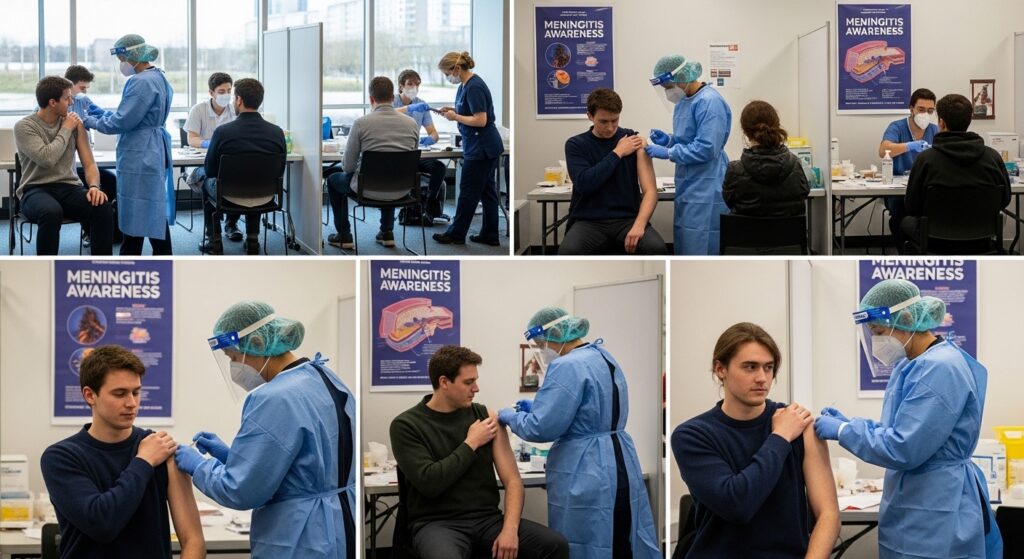
Vaccination is the most effective method to prevent meningitis. In the UK, the MenB vaccine is part of routine immunization for infants, but during outbreak situations, eligibility may extend to teenagers and university students, particularly in affected areas.
Authorities have implemented:
- Targeted MenB vaccination campaigns in Canterbury and Kent
- Preventive antibiotics for close contacts of confirmed cases
- Public awareness campaigns for early symptom detection
It is crucial that anyone in the outbreak zone or with potential exposure follows health advisories strictly.
Why Students Are Most Affected
The Kent outbreak highlights how meningitis spreads in dense social environments. University campuses are especially vulnerable due to:
- Shared living spaces like dormitories
- Social events with close interactions
- Limited awareness about transmission risk among students
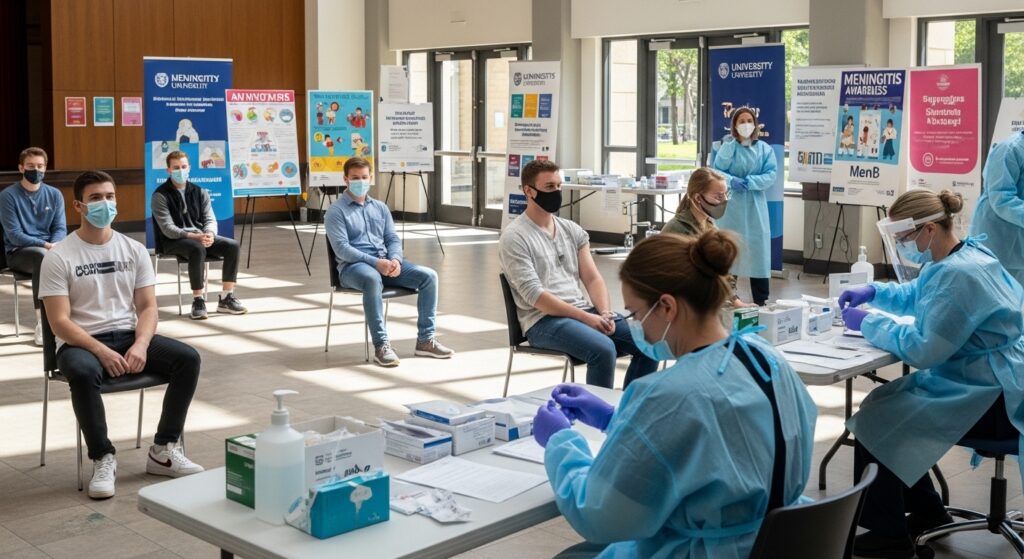
The University of Kent and surrounding institutions have responded by distributing vaccines and antibiotics to students and staff. Authorities continue monitoring and advising on behavior, hygiene, and vaccination.
Response by Health Authorities
The UK Health Security Agency and NHS have implemented:
- Real-time monitoring of cases
- Awareness campaigns across schools and universities
- Free vaccination drives for at-risk groups
- Antibiotics for close contacts
- Updates on the outbreak via official portals
These efforts aim to contain the outbreak quickly while minimizing risks to the general public. Experts emphasize that the risk to the broader UK population remains low if recommended precautions are followed.
Global Perspective on Meningitis
Meningococcal disease is a worldwide health concern. In the UK, hundreds of cases are reported annually, mostly caused by MenB and MenACWY strains. Outbreaks like Kent’s demonstrate the need for vigilant vaccination programs and rapid public health responses.
Early vaccination campaigns have proven effective in reducing cases and preventing fatalities, especially among vulnerable populations such as young children and university students.

Preventive Tips for Residents in Kent and the UK
To reduce the risk of infection:
- Get vaccinated if eligible or recommended
- Practice good hygiene, including hand washing and avoiding sharing drinks
- Avoid crowded social gatherings if you are at risk or unvaccinated
- Recognize symptoms early and seek medical help immediately
- Follow official health updates from NHS and UKHSA
Frequently Asked Questions (FAQs)
Q: Is meningitis contagious?
A: Yes, through close contact like kissing or sharing utensils. Casual contact is low risk.
Q: Can vaccination prevent meningitis?
A: Vaccination reduces the risk significantly, especially MenB and MenACWY vaccines.
Q: Who should get vaccinated during this outbreak?
A: Students, infants, teenagers, and anyone with close contact in the affected areas.
Q: What do I do if I have symptoms?
A: Seek urgent medical attention at A&E or call NHS 111 immediately.
Q: Is the outbreak still ongoing?
A: UK authorities continue to monitor the situation, particularly in Canterbury and surrounding areas.
Conclusion
The 2026 meningitis outbreak in Kent underscores the importance of vaccination, early detection, and awareness. While the risk to the general population is low, residents, students, and visitors in affected areas must stay informed and follow public health guidance.
By following hygiene protocols, getting vaccinated, and recognizing symptoms early, you can protect yourself and your loved ones from meningitis.
Stay updated with FreedomMove.co.uk for real-time verified information, safety tips, and health news in the UK.