
Introduction
Being refused Personal Independence Payment (PIP) can feel frustrating and unfair. Many applicants assume the decision is final. It is not.
In the UK, a significant number of PIP decisions are overturned at appeal stage. In fact, tribunal success rates often favour the claimant when strong evidence is provided.
If you believe your PIP decision is wrong, this 2026 guide explains exactly:
- Why claims are refused
- How the appeal process works
- Deadlines you must not miss
- How to prepare strong evidence
- What happens at tribunal
- How to improve your chances of success
The key is understanding the system and preparing properly.

Why Are PIP Claims Refused?
Before appealing, it helps to understand common reasons for refusal:
- The assessor underestimated your daily difficulties
- Medical evidence was missing or weak
- The assessment report contains inaccuracies
- You did not clearly explain how your condition affects you
- Fluctuating conditions were not fully considered
PIP is not awarded based on diagnosis. It is awarded based on how your condition affects daily living and mobility activities.
Step 1: Request a Mandatory Reconsideration (MR)
You must request a Mandatory Reconsideration before going to tribunal.
Deadline
You usually have one month from the date on your decision letter.
If you miss the deadline, you may still apply within 13 months, but you must explain why.
How to Request It
You can:
- Call the PIP helpline
- Send a written letter
- Submit details through official channels
Always confirm your request in writing, even if you call.
How to Write a Strong Mandatory Reconsideration
This is where many people make mistakes.
Do not simply say, “I disagree.”
Instead:
1. Go Through Each Activity Descriptor
PIP is based on points across activities like:
- Preparing food
- Washing and bathing
- Dressing
- Communicating
- Moving around
- Planning journeys
State clearly:
- What points you were awarded
- What points you believe you should receive
- Why
Use real examples from daily life.
2. Provide Strong Supporting Evidence
Good evidence includes:
- GP letters
- Consultant reports
- Occupational therapist reports
- Care plans
- Prescription lists
- Statements from carers or family
Evidence should explain functional difficulties, not just confirm diagnosis.
3. Address Inaccuracies in the Assessment Report
Request a copy of the assessment report (PA4).
Highlight:
- Statements that are incorrect
- Observations that do not reflect reality
- Assumptions made by the assessor
Be factual and calm in tone.
What Happens After Mandatory Reconsideration?
You will receive a new decision.
If the decision changes in your favour, your award is updated and backdated.
If the decision remains the same, you can proceed to tribunal.
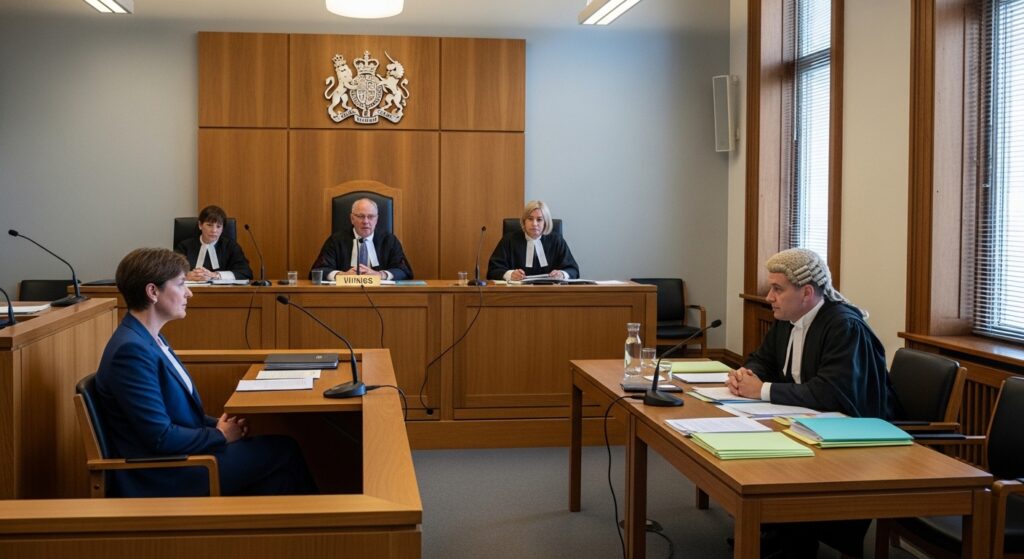
Step 2: Appeal to an Independent Tribunal
You have one month from the Mandatory Reconsideration Notice to lodge your appeal.
You submit your appeal to HM Courts and Tribunals Service.
This tribunal is independent from the Department for Work and Pensions (DWP).
Why Tribunal Appeals Often Succeed
Tribunals:
- Review evidence independently
- Allow you to explain your situation in person
- Include a judge, doctor, and disability specialist
- Consider real-life examples more carefully
Success rates at tribunal are significantly higher than at Mandatory Reconsideration stage.
How to Prepare for a PIP Tribunal
Preparation is crucial.
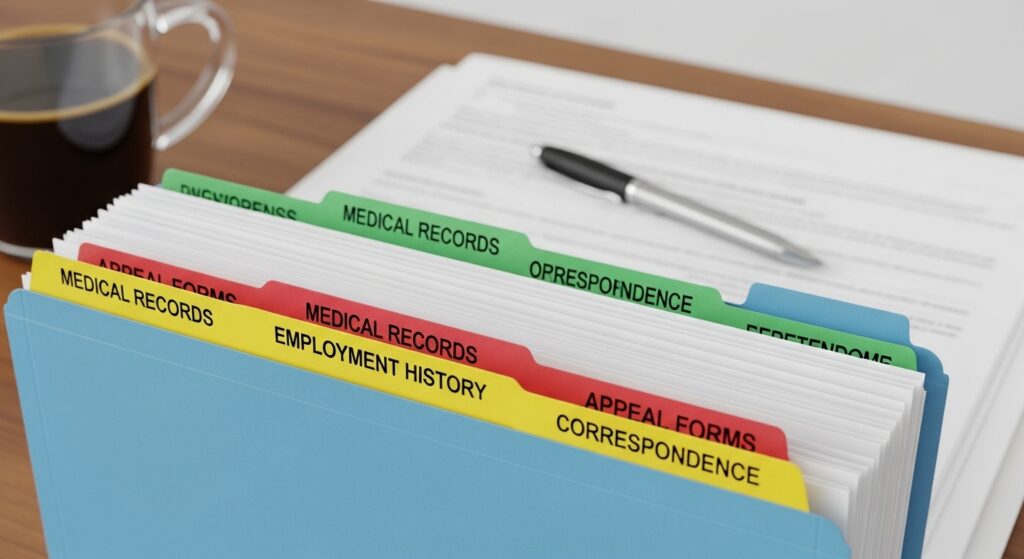
1. Organise Your Evidence
Create a folder including:
- Your original application
- Assessment report
- Mandatory Reconsideration response
- Medical letters
- New evidence
Label everything clearly.
2. Focus on Descriptors and Points
Tribunals decide based on scoring criteria.
Know:
- Which activities apply to you
- How many points you need for Standard or Enhanced rate
- Which descriptors best describe your condition
Be specific about safety, repetition, time taken, and reliability.
3. Use the “Reliability” Rules
You must be able to complete activities:
- Safely
- To an acceptable standard
- Repeatedly
- Within a reasonable time
If you cannot do something reliably, it counts as not being able to do it.
This is very important.
What Happens at the Tribunal Hearing?
Most hearings are now:
- In person
- By phone
- Or via video
The panel will ask questions about your daily life.
They are not trying to trick you. They are trying to understand how your condition affects you.
Be honest. Do not exaggerate. Do not minimise.
If you need breaks, ask for them.
You can bring a representative or family member.
Common Mistakes That Reduce Success
1. Not Explaining Fluctuating Conditions
If your condition varies, explain your worst days and how often they occur.
2. Focusing Only on Diagnosis
PIP is about impact, not medical labels.
3. Missing Deadlines
Always act quickly.
4. Sending No Additional Evidence
Appeals without new or clarified evidence are weaker.
How Long Does the Process Take in 2026?
- Mandatory Reconsideration: 4–10 weeks
- Tribunal appeal: 3–8 months depending on region
If successful, payments are backdated to your original claim date.
Can You Get Help With Your Appeal?
Yes. Support is available from:
- Citizens Advice
- Welfare rights organisations
- Disability charities
- Legal advisers
Professional guidance can significantly improve outcomes.
FAQs
How many people win PIP appeals?
A large percentage of tribunal appeals succeed when claimants attend and provide strong evidence.
Do I need a lawyer?
Not necessarily. Many people succeed without one, but advice can help.
Will my money stop during appeal?
If your claim was refused, you usually do not receive payments during appeal. If it was reduced, you may continue receiving the lower rate.
Can I submit new evidence at tribunal?
Yes. You can submit additional evidence up to the hearing date.
What if I lose at tribunal?
You may be able to appeal on a point of law, but specialist advice is recommended.
- How to Apply for PIP in the UK (2026 Guide)
- Blue Badge for Hidden Disabilities (2026)
- NHS Continuing Healthcare UK Guide
- https://www.gov.uk/pip
- https://www.gov.uk/appeal-benefit-decision
- https://www.citizensadvice.org.uk/benefits/sick-or-disabled-people-and-carers/pip/
Conclusion
Appealing a PIP decision in 2026 is absolutely possible, and often successful when done correctly.
The most important factors are:
- Understanding the points system
- Providing strong functional evidence
- Meeting deadlines
- Preparing thoroughly for tribunal
Many people give up too early. If you genuinely believe the decision is wrong, follow the process carefully and stay organised.
A successful appeal can mean financial stability and access to support you are entitled to.
Disclaimer:
This article is for informational purposes only and does not constitute legal, medical or financial advice. Always consult official UK sources or a qualified professional.