
Introduction
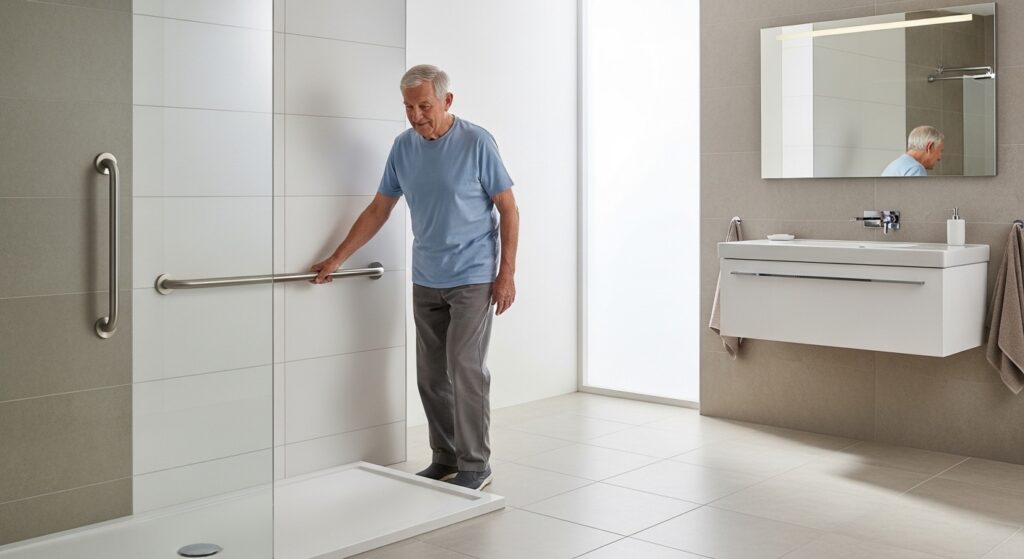
Ensuring safety at home is essential, particularly for the elderly or people with mobility challenges. Bathrooms and stairs pose a high risk of slips and falls, which can lead to serious injuries. Installing the right grab rails provides extra support, stability, and confidence for daily activities. This guide covers the best grab rails available in the UK in 2026, their types, installation tips, pros and cons, and other key considerations.
Why Grab Rails Are Essential
Falls are one of the leading causes of injury in the UK, especially among older adults. Bathrooms and stairs are common areas where accidents occur due to slippery surfaces, wet floors, and uneven steps. Grab rails act as a reliable support point, helping users maintain balance and safely navigate these high-risk areas.
Benefits include:
- Preventing falls and injuries
- Supporting safe transfers in and out of bathtubs and showers
- Helping users maintain independence
- Reducing stress for caregivers
Types of Grab Rails
There are several types of grab rails to suit different needs:
1. Straight Grab Rails
- Description: Simple, straight bars, usually mounted horizontally or vertically.
- Best for: Bathrooms, near toilets, and stair landings.
- Pros: Easy to install, affordable, durable.
- Cons: Limited grip angles; may not suit all positions.
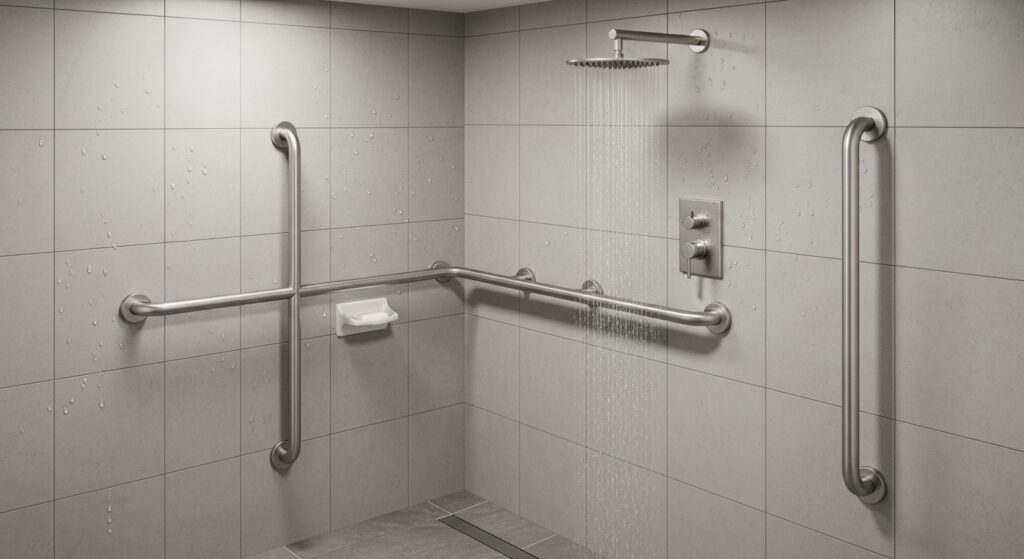
2. L-Shaped Grab Rails
- Description: L-shaped design offers support both horizontally and vertically.
- Best for: Bathrooms, especially near showers or toilets.
- Pros: Versatile, allows multiple hand positions.
- Cons: Requires more wall space for installation.
3. Angled Grab Rails
- Description: Rails installed at a slight angle to match natural hand movement.
- Best for: Stairs and steps where hand positioning changes.
- Pros: Ergonomic, natural grip.
- Cons: Installation can be trickier.
4. Foldable Grab Rails
- Description: Rails that fold up against the wall when not in use.
- Best for: Small bathrooms or tight spaces.
- Pros: Space-saving, adjustable.
- Cons: Slightly higher cost, may require professional installation.
Key Factors to Consider
When choosing grab rails, consider the following:
Weight Capacity
Most grab rails support between 100–150kg. Always check the manufacturer’s weight rating.
Material
- Stainless steel: Durable, rust-resistant, easy to clean.
- Aluminium: Lightweight, corrosion-resistant.
- Plastic-coated: Offers a non-slip grip but may wear over time.
Grip Style
- Textured or ribbed handles prevent slipping.
- Ergonomic designs reduce strain on hands and wrists.
Installation
- Always mount on solid walls or wall studs.
- Consider professional installation for bathroom tiles or drywall.
Costs Breakdown (UK 2026)
- Straight rails: £15–£40
- L-shaped rails: £25–£60
- Angled rails: £30–£70
- Foldable rails: £50–£120
Installation costs (optional professional help) may range from £50–£100 depending on complexity.
Common Mistakes to Avoid
- Incorrect mounting height: Too high or low reduces effectiveness.
- Ignoring wall type: Weak walls may not support weight.
- Choosing the wrong grip: Smooth rails can be slippery, especially when wet.
- Overlooking maintenance: Check for rust, loose screws, or wear regularly.
FAQs
Q1: Can grab rails be used on stairs?
Yes, angled or straight grab rails can provide support on staircases, especially for elderly family members.
Q2: Do grab rails require professional installation?
Some can be DIY-installed, but professional help is recommended for bathrooms with tiles or hollow walls.
Q3: Are foldable grab rails safe?
Yes, they are safe if installed correctly and can be folded to save space.
Q4: How do I clean grab rails?
Use mild soap and water; avoid harsh chemicals to prevent rust or damage.
- Best Shower Chairs for Elderly and Disabled in the UK (2026 Buying Guide)
- Rise and Recliner Chairs UK – Complete Buying Guide (2026)
- Disabled Facilities Grant (DFG) UK – How to Apply
- NHS – Falls Prevention
- Age UK – Home Safety
Conclusion
Investing in quality grab rails is one of the most effective ways to enhance home safety in 2026. Whether for bathrooms, stairs, or other high-risk areas, choosing the right type, material, and installation method ensures stability, reduces falls, and improves independence. Always consider your specific needs, weight requirements, and the space available before purchasing.
Disclaimer
This article is for informational purposes only and does not constitute legal, medical or financial advice. Always consult official UK sources or a qualified professional.