
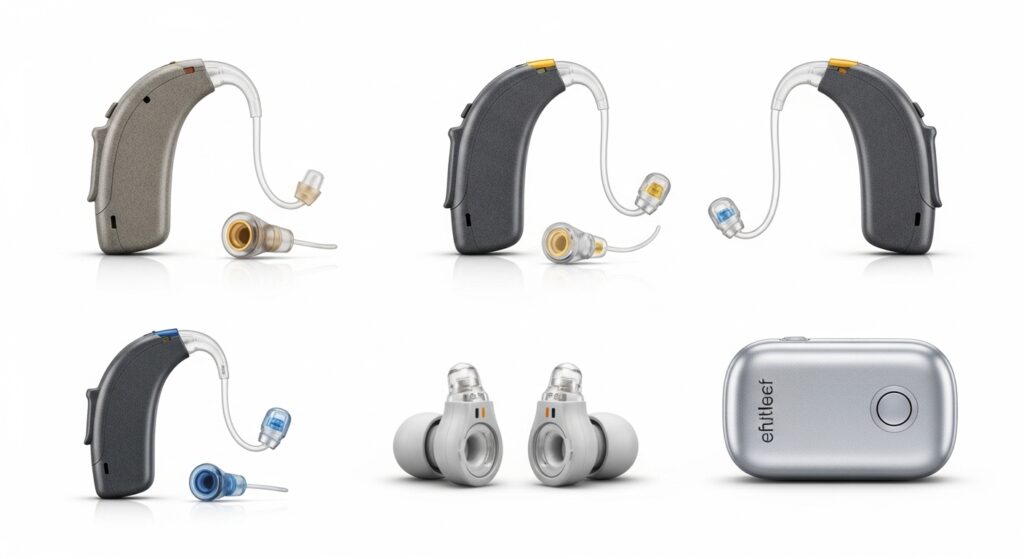
Hearing loss is one of the most common health challenges affecting millions of people worldwide. In the United Kingdom alone, more than 12 million people live with some form of hearing difficulty. For many individuals, hearing loss can affect communication, social interaction, and overall quality of life.
Fortunately, modern hearing technology has improved significantly in recent years. Today’s hearing aids and assistive listening devices are smaller, smarter, and more powerful than ever before. With features such as Bluetooth connectivity, noise reduction technology, smartphone apps, and rechargeable batteries, modern hearing devices can dramatically improve everyday hearing experiences.
In this complete 2026 guide, we will explore:
- The best hearing aids available in the UK
- Different types of assistive listening devices
- Costs and NHS hearing aid options
- Financial support programs
- How to choose the right hearing device
Whether you are looking for hearing support for yourself or a family member, this guide will help you understand the best solutions available today.
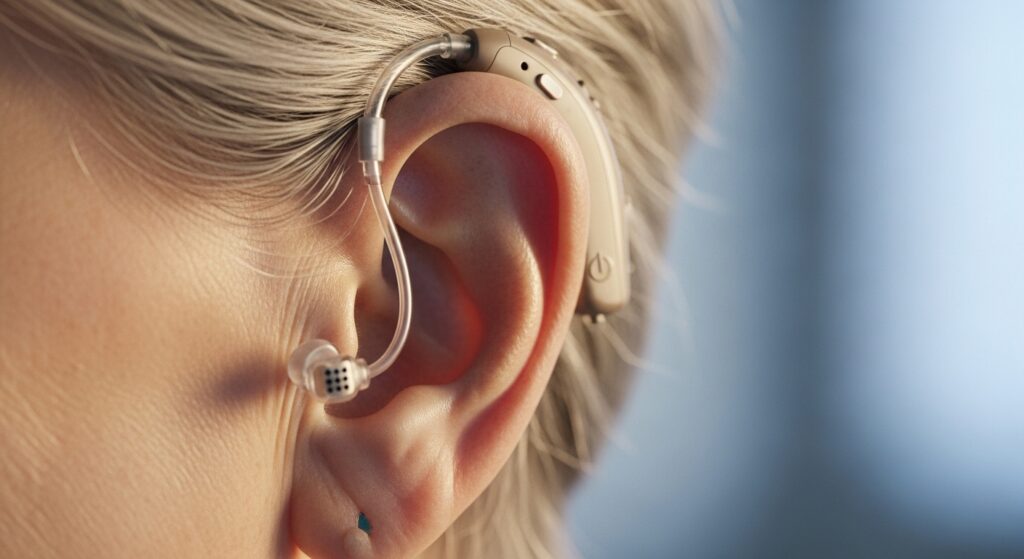
Understanding Hearing Loss
Hearing loss can develop gradually or suddenly depending on the cause. Some people are born with hearing impairments, while others develop hearing problems later in life.
Common Causes of Hearing Loss
Several factors can contribute to hearing loss, including:
- Age-related hearing decline (Presbycusis)
- Exposure to loud noise
- Ear infections
- Genetic conditions
- Head injuries
- Certain medications
- Medical conditions affecting the ear
Hearing loss can range from mild hearing difficulty to severe or profound hearing impairment. Even mild hearing loss can make everyday conversations challenging.
Early diagnosis and proper hearing support can help individuals maintain communication, independence, and social engagement.
Types of Hearing Aids Available in the UK
There are several different styles of hearing aids designed to suit various levels of hearing loss and personal preferences.
Behind-The-Ear (BTE) Hearing Aids
Behind-the-ear hearing aids are one of the most common types used today. These devices sit comfortably behind the ear and connect to a small tube that carries sound into the ear canal.
Key Benefits
- Suitable for mild to severe hearing loss
- Durable and reliable
- Longer battery life
- Easy to adjust and maintain
BTE hearing aids are often recommended for people who require more powerful amplification.
Receiver-In-Canal (RIC) Hearing Aids
Receiver-in-canal hearing aids are smaller and more discreet compared to traditional BTE devices.
Features
- Lightweight and comfortable
- Natural sound quality
- Less visible design
- Bluetooth connectivity in many models
RIC hearing aids are extremely popular because they combine powerful sound performance with a discreet design.
In-The-Ear (ITE) Hearing Aids
In-the-ear hearing aids are custom-made devices that sit inside the outer ear.
Advantages
- Easy to insert and remove
- Suitable for mild to moderate hearing loss
- Larger controls for easier handling
These hearing aids are often preferred by users who want simple controls and comfortable fitting.
Invisible-In-Canal (IIC) Hearing Aids
Invisible-in-canal hearing aids are the smallest type available. They fit deep inside the ear canal and are almost invisible to others.
Benefits
- Very discreet appearance
- Natural sound direction
- Comfortable design
However, these devices may not be suitable for individuals with severe hearing loss or those who need more advanced features.
Best Hearing Aid Brands in the UK (2026)
Several leading manufacturers dominate the global hearing aid market. These companies are known for producing reliable and advanced hearing technology.
Popular Hearing Aid Brands
Some of the most trusted hearing aid brands available in the UK include:
- Phonak
- Oticon
- Widex
- Signia
- Starkey
- ReSound
These companies continue to innovate with technologies such as:
- Artificial intelligence sound processing
- Background noise cancellation
- Bluetooth streaming
- Rechargeable batteries
- Smartphone control apps
Many modern hearing aids can connect directly to smartphones, televisions, and computers, allowing users to stream audio directly to their hearing devices.
Assistive Listening Devices (ALDs)
Hearing aids are not the only solution for hearing support. Assistive listening devices are designed to help people hear better in specific environments such as noisy areas, meetings, or public spaces.
These devices can be used alone or alongside hearing aids.
TV Listening Systems
Television listening devices allow individuals with hearing loss to watch TV without increasing the volume for everyone else in the room.
These systems typically include:
- Wireless headphones
- Bluetooth transmitters
- Personal sound amplifiers
They provide clearer dialogue and improved listening comfort.
Personal Sound Amplifiers
Personal sound amplifiers are portable devices that amplify nearby sounds. They are useful for situations such as:
- Conversations
- Meetings
- Lectures
- Outdoor activities
These devices are often more affordable than hearing aids and can provide temporary hearing assistance.
Alerting Devices
Alerting devices help individuals with hearing loss stay aware of important sounds.
These systems may include:
- Flashing doorbell alerts
- Vibrating alarm clocks
- Smoke alarm alerts with lights or vibrations
Such devices are especially important for people with severe hearing impairment.
Amplified Telephones
Special telephones designed for hearing loss provide amplified sound and improved clarity.
Features may include:
- Adjustable volume controls
- Tone adjustment
- Captioned phone calls
- Speakerphone options
These phones make communication easier and more accessible.
Cost of Hearing Aids in the UK
Hearing aid prices can vary depending on the level of technology and additional features.
Typical Price Range
Basic hearing aids
£400 – £800
Mid-range hearing aids
£800 – £1,800
Premium hearing aids
£2,000 – £3,500 or more
Premium models usually include advanced features such as:
- AI sound processing
- Smartphone integration
- Rechargeable batteries
- Automatic sound adjustment
Although private hearing aids can be expensive, they often provide better sound quality and additional convenience features.
Free Hearing Aids Through the NHS
One of the biggest advantages for UK residents is access to free hearing aids through the NHS.
If a hearing test confirms hearing loss, patients may receive NHS hearing aids that include:
- Free fitting
- Free batteries
- Repairs and maintenance
- Follow-up support
While NHS hearing aids are reliable and effective, they may not offer some of the latest advanced features available in private models.
Many people choose private hearing aids if they want smaller devices, Bluetooth connectivity, or advanced noise filtering.

Financial Support for Hearing Equipment
Individuals with disabilities may qualify for financial support to help cover the cost of hearing devices.
Disabled Students Allowance (DSA)
Students with hearing impairments studying at universities in the UK may receive funding for:
- Hearing technology
- Assistive listening devices
- Specialist support equipment
Access to Work
This government program supports employees with disabilities.
It may help pay for:
- Hearing aids
- Communication support equipment
- Workplace assistive technology
Local Authority Grants
Some local councils provide grants for assistive technology and disability equipment.
It is always worth checking with your local council or disability support services.
How to Choose the Right Hearing Aid
Selecting the right hearing aid depends on several personal factors.
Important Things to Consider
Level of hearing loss
Lifestyle needs
Budget
Comfort and design
Battery type
Connectivity features
For example, people who frequently attend social gatherings may benefit from hearing aids with advanced noise reduction technology.
Individuals who prefer simple devices may choose models with basic controls and long battery life.
Consulting with a professional audiologist is the best way to determine the most suitable option.
Future of Hearing Technology
Hearing technology continues to improve rapidly. Researchers and manufacturers are working on exciting innovations that may transform hearing support in the future.
Potential developments include:
- AI-powered hearing adaptation
- Health monitoring through hearing devices
- Real-time language translation
- Brain-connected hearing technology
These innovations will make hearing support even more effective and accessible for millions of people worldwide.
Disabled Students Allowance UK
Final Thoughts
Hearing aids and assistive listening devices can significantly improve the quality of life for individuals with hearing loss. Modern hearing technology offers better sound clarity, increased comfort, and improved connectivity with everyday devices.
Whether you choose NHS hearing aids or private hearing technology, the most important step is seeking professional advice and finding the solution that fits your lifestyle and hearing needs.
With the wide range of support programs and technology available in the UK, individuals with hearing loss can enjoy greater independence, clearer communication, and improved confidence in daily life.