
Studying in the UK can be expensive, and students with disabilities often face additional challenges. Thankfully, there are scholarships and funding opportunities specifically for disabled students to help cover tuition, living costs, and other expenses.
This 2026 guide explains everything you need to know about applying for scholarships, eligibility criteria, and tips to maximise your chances.
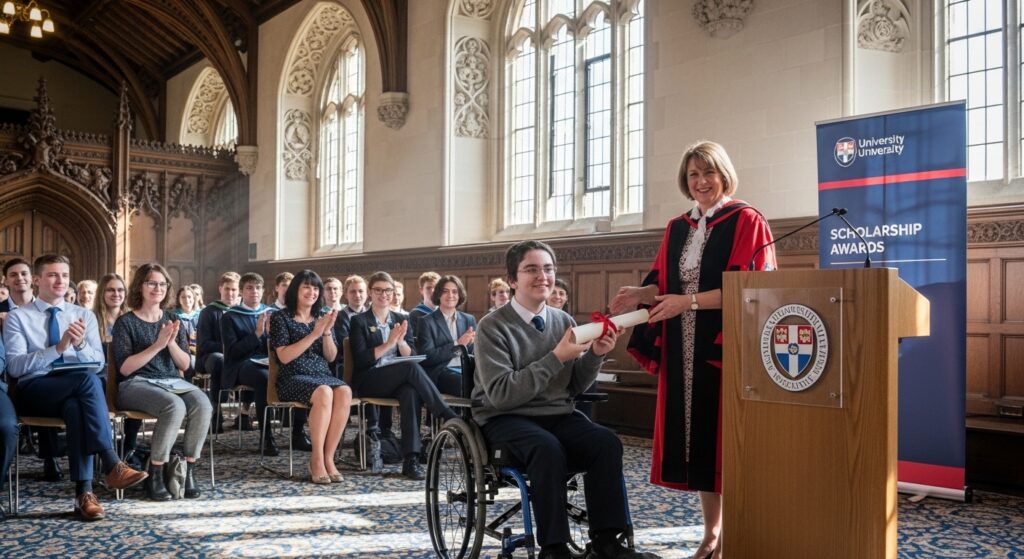
Why Scholarships for Disabled Students Matter
Disabled students may face unique financial, accessibility, or accommodation needs. Scholarships can help by:
- Reducing tuition or accommodation costs
- Providing funds for assistive technology and study materials
- Covering travel or relocation expenses
- Supporting research or special projects
By exploring these scholarships, students can focus more on studies and less on finances.
Top Scholarships for Disabled Students in the UK
Here’s a list of high-demand scholarships in 2026:
1. RNIB Scholarships
Who it’s for: Students with visual impairments
Amount: Varies, typically £500–£2,000
Details: Offers support for tuition fees, equipment, or living costs. Applications are usually open annually in spring.
2. Leonard Cheshire Disability Scholarships
Who it’s for: Any student with a registered disability
Amount: Depends on the course and funding need
Details: Focuses on increasing access to higher education, with extra support for accommodation or study materials.
3. UK Universities Specific Disabled Student Scholarships
Many universities offer internal scholarships, including:
- University of Manchester – Disabled Student Bursary
- University of Leeds – Access & Disability Scholarship
- University of Edinburgh – Inclusive Education Grant
Tip: Always check the university’s official disability support services page for updates in 2026.
4. Disabled Students’ Allowance (DSA)
Who it’s for: Higher education students with a disability
Amount: Up to £25,000 depending on needs
Details: Technically not a scholarship, but a fund to cover assistive technology, support workers, or travel. Apply through your university or Student Finance England.
5. Third-Party Charities and Foundations
Some charities offer scholarships for specific disabilities or study areas:
- The Sir Halley Stewart Trust – supports students with physical disabilities
- The Variety Club Awards – supports young disabled learners
- Local disability-focused foundations – often smaller, easier-to-apply awards
How to Apply for Scholarships
Step 1: Research
- Check university websites for disability bursaries
- Explore charity and foundation websites
- Use scholarship directories like Scholarship Search UK 2026
Step 2: Check Eligibility
- Look for age, disability type, study level (undergraduate, postgraduate)
- Note deadlines carefully
Step 3: Prepare Documentation
- Proof of disability (DSA letter, medical certificate)
- Academic transcripts and references
- Personal statement explaining your needs and goals
Step 4: Submit & Follow Up
- Apply early
- Keep copies of all documents
- Follow up with scholarship coordinators if you haven’t heard back

Tips to Increase Your Chances
- Tailor your personal statement – highlight challenges, achievements, and ambitions
- Apply for multiple scholarships – don’t rely on one
- Meet deadlines – late submissions are rarely considered
- Provide all requested documentation – missing info can disqualify you
- Check for new 2026 scholarships – some awards are announced annually
Additional Funding Options
- Student loans – Some loans have special terms for disabled students
- Grants from local councils – Check with your local authority for 2026 updates
- Crowdfunding for education – Platforms like GoFundMe can help cover costs for assistive tech
FAQs
Q1: Can international students with disabilities apply for UK scholarships?
Yes, but some scholarships are restricted to UK/EU residents. Always check eligibility.
Q2: Is DSA considered a scholarship?
No. It’s a support fund, but it functions like a scholarship for necessary study resources.
Q3: How early should I apply?
Ideally, 3–6 months before the course start date. Some universities have rolling deadlines.
Q4: Are scholarships renewable?
Some are one-time, others can be renewed each academic year if eligibility continues.
Tips
- “How to Claim Disabled Students Allowance (DSA) in the UK – 2026 Guide”
- “Assistive Technology for Disabled Students in the UK – Tools, Grants & 2026 Guide”
- “Disability-Friendly UK Universities – 2026 Guide”