
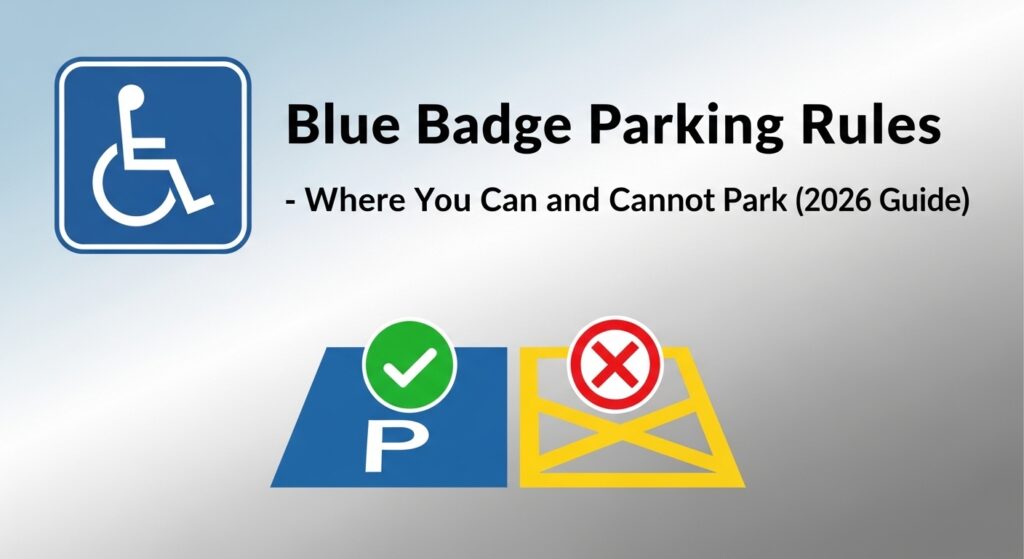
For many people with mobility challenges in the UK, the Blue Badge scheme is a lifeline. It allows drivers and passengers with disabilities to park closer to essential services, reducing walking distances and providing independence. Despite its benefits, the scheme comes with specific rules and restrictions. Misuse of a Blue Badge can lead to fines, so it’s important to understand exactly where you can and cannot park.
This guide provides a comprehensive overview of Blue Badge parking rules, eligibility, tips for using your badge correctly, and practical advice for carers and family members.
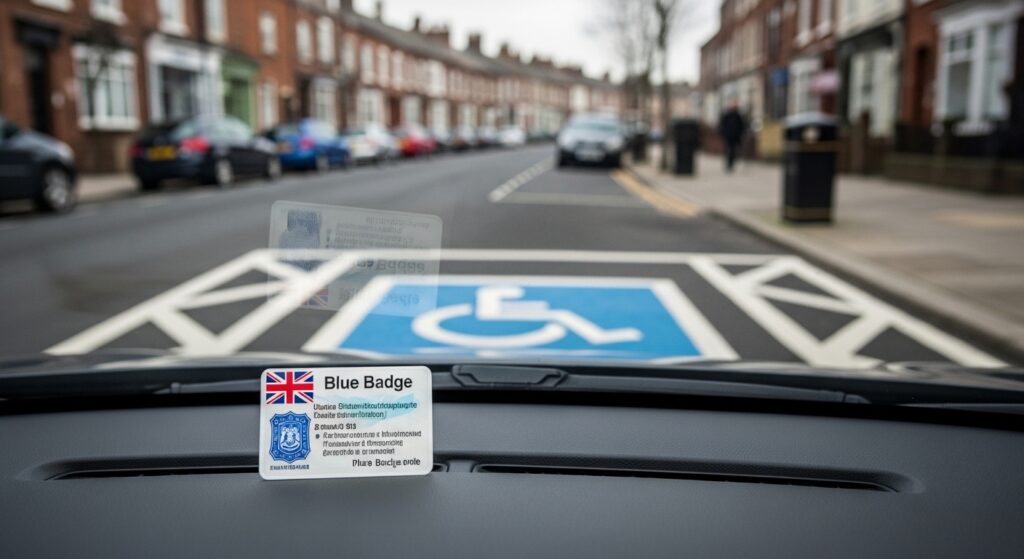
What is a Blue Badge?
A Blue Badge is an official parking permit issued to individuals with mobility difficulties. It is designed to make it easier for them to access shops, healthcare facilities, public services, and leisure activities.
Key Benefits of a Blue Badge
- Designated parking bays: Near shops, hospitals, and other facilities.
- Pay-and-display privileges: Many local councils allow free or discounted parking.
- Reduced walking distance: Enables safer and more convenient access.
- Independence: Supports personal mobility for both drivers and passengers.
Who Can Get a Blue Badge?
Eligibility varies slightly across the UK but generally includes:
- People with severe mobility problems:
- Cannot walk or have difficulty walking long distances.
- Cannot walk or have difficulty walking long distances.
- Recipients of certain disability benefits:
- Higher-rate mobility component of PIP (Personal Independence Payment)
- DLA (Disability Living Allowance) mobility component
- War pension mobility supplement
- Higher-rate mobility component of PIP (Personal Independence Payment)
- People with hidden disabilities that limit mobility:
- Conditions like chronic fatigue, arthritis, or neurological disorders that affect walking
- Conditions like chronic fatigue, arthritis, or neurological disorders that affect walking
Tip: Always check your local council’s website for exact eligibility criteria, as rules can differ slightly between England, Scotland, Wales, and Northern Ireland.
Where You Can Park with a Blue Badge
Blue Badge holders can park in a variety of places, but rules and allowances may vary by council. Here’s a detailed breakdown:
1. Disabled Parking Bays
These are marked spaces located near entrances to shops, hospitals, or public buildings.
Best Practices:
- Always park fully inside the lines
- Avoid blocking pedestrian paths
- Display your Blue Badge clearly on the dashboard
2. On-Street Pay-and-Display Spaces
Many councils allow Blue Badge holders to park in pay-and-display bays without paying, usually for a limited time. Some require you to display a clock showing arrival time.
Check signage carefully, as rules vary between streets and towns.
3. Parking Meters
In some areas, Blue Badge holders can use meters for free or at a discounted rate. The rules differ by local authority, so always verify before parking.
4. Private Car Parks
Private car parks often honour Blue Badge parking, but policies may differ. It’s a good idea to confirm with car park operators, especially in shopping centres or leisure venues.
5. Dropped Kerbs & Shared Surfaces
In certain locations, Blue Badge holders may park temporarily on shared surfaces or near dropped kerbs for loading/unloading passengers. Always check local signage and avoid causing obstruction.
Pro Tip: Never assume a space is allowed just because it looks convenient; always check for signage and restrictions.
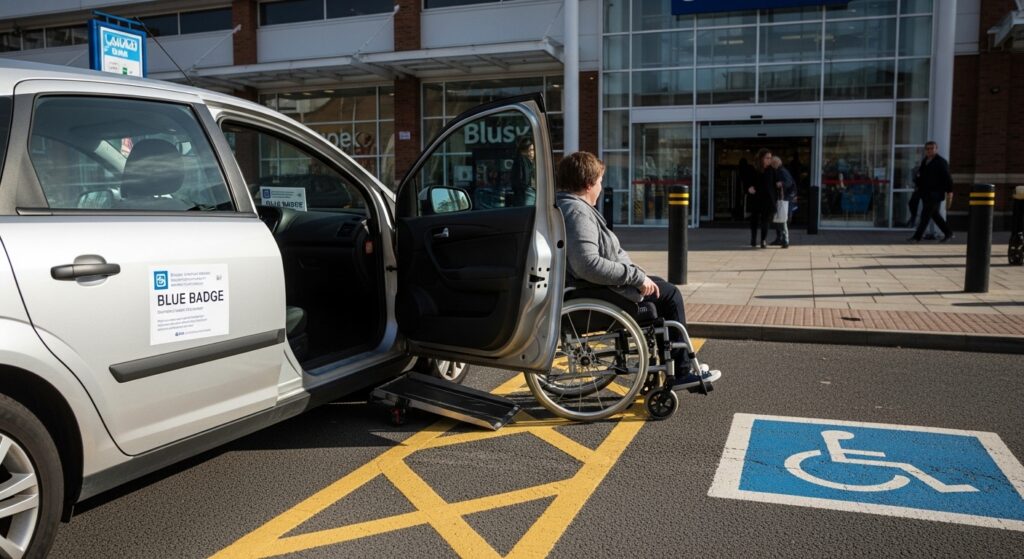
Where You Cannot Park
Even with a Blue Badge, there are important restrictions to follow:
- Double yellow lines: Generally prohibited unless signage permits loading/unloading.
- Blocking driveways or access points: Avoid causing obstruction to other vehicles or emergency services.
- Zig-zag lines outside schools: Blue Badges do not override pedestrian safety rules.
- On pavements or cycle lanes: Unless signage explicitly allows it.
- Areas with specific council prohibitions: Some councils restrict Blue Badge use in certain streets or zones.
Warning: Misusing a Blue Badge can lead to fines, penalties, or revocation. Always use your badge responsibly.
Local Council Variations
Blue Badge rules may differ slightly depending on the council. Examples:
- London: Most boroughs allow 3 hours free parking in on-street bays. Some boroughs use time-limited clocks.
- Manchester: Disabled bays and certain meter spaces are free, but private car parks may charge.
- Edinburgh: Temporary visitor badges are available for non-residents.
- Cardiff: Some street parking bays require a displayed clock with arrival time.
Tip: Visit your local council’s website for detailed maps, rules, and advice. Many councils also provide apps to locate accessible bays in real-time.
Common Mistakes and Fines
Mistakes
- Not displaying the Blue Badge clearly
- Parking in a restricted zone even with a badge
- Overstaying in pay-and-display or limited bays
- Using a badge for someone not eligible
Fines
- On-the-spot fines for misused badges range from £70–£100
- Persistent misuse can result in badge revocation
Advice: Keep your badge visible and always check local rules before leaving your vehicle.
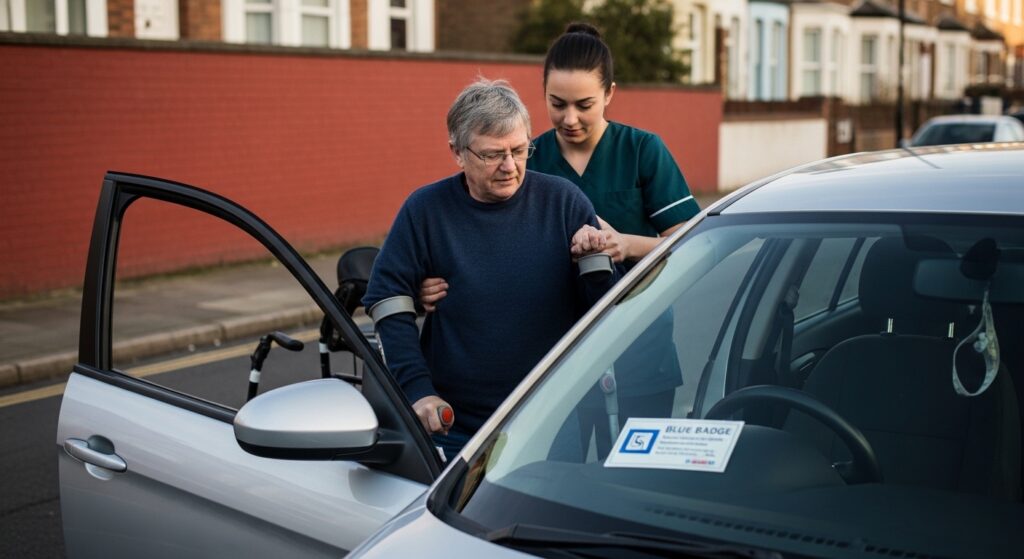
Using Blue Badges Abroad
UK Blue Badges are recognized in many European countries, but rules vary.
- Some countries require additional permits or visitor badges.
- Always display the Blue Badge clearly to avoid fines.
- Research specific country laws before travel.
Tip: Mobility apps like “Parkopedia” or “Blue Badge Finder” can help identify accessible parking abroad.
Tips for Stress-Free Parking
- Plan Ahead: Use apps or online maps to find accessible bays.
- Check Signage: Each street may have unique restrictions.
- Avoid Peak Hours: Popular areas fill quickly.
- Respect Other Users: Only park in Blue Badge bays if eligible.
- Use Carer Assistance: For family members helping badge holders, plan drop-off and pick-up points.
Affiliate Disclaimer: FreedomMove may earn commission from affiliate links. Always confirm parking rules directly with your council.
Final Thoughts
The Blue Badge scheme is a vital tool for independence and convenience. By understanding rules, planning trips carefully, and respecting regulations, badge holders can enjoy safe and stress-free travel across the UK.
Remember: rules can vary by council, so always double-check local regulations. With proper planning, a Blue Badge makes life easier, safer, and more accessible.
Disclaimer
This guide is for informational purposes only. Always verify Blue Badge eligibility and rules with your local council. FreedomMove may earn commissions from affiliate links included in this article.