
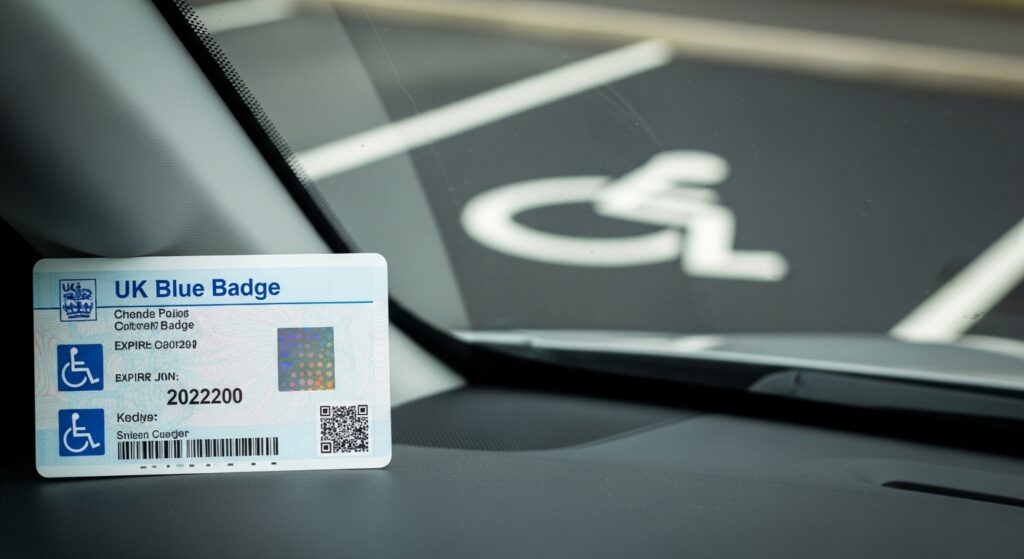
Living with a disability can make everyday tasks such as traveling, shopping, or visiting healthcare services more difficult. To help improve mobility and independence for disabled individuals, the Blue Badge Scheme allows eligible people to park closer to their destination.
The Blue Badge scheme is one of the most important accessibility programs in the UK. It allows disabled drivers and passengers to use designated parking spaces and receive special parking privileges that make daily life easier.
In this complete 2026 guide, you will learn everything about disabled parking permits in the UK including eligibility requirements, how to apply, application costs, benefits, and common mistakes to avoid.
What Is the Blue Badge Scheme in the UK?
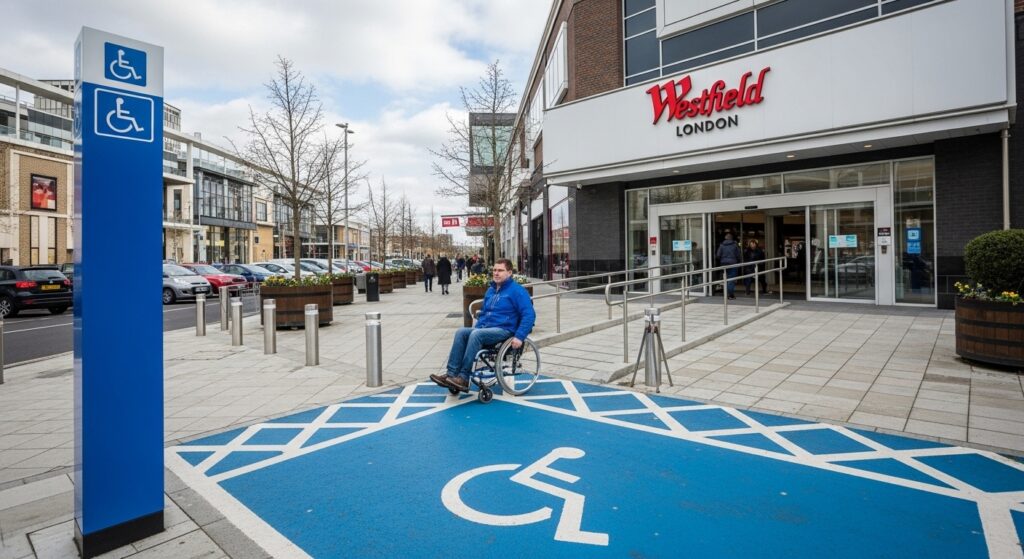
The Blue Badge Scheme is a national parking permit system designed for people with severe mobility issues or disabilities. It allows badge holders to park in places that are normally restricted.
The program is administered by local councils but regulated by the UK Government.
A Blue Badge provides access to:
• Designated disabled parking bays
• Parking on single or double yellow lines in some situations
• Free or extended parking in certain areas
• Parking closer to buildings and services
This scheme significantly improves independence and accessibility for disabled individuals across the UK.
Who Can Apply for a Blue Badge?
Eligibility for the Blue Badge scheme is divided into two main categories: automatic eligibility and eligibility based on assessment.
Automatic Eligibility
You automatically qualify for a Blue Badge if you:
• Receive Personal Independence Payment with mobility score of 8 points or higher
• Receive Disability Living Allowance higher mobility rate
• Receive War Pensioners’ Mobility Supplement
• Are registered blind
• Receive Armed Forces Compensation Scheme with mobility impairment
If you meet these conditions, approval is usually straightforward.
Eligibility Through Assessment
If you do not automatically qualify, you may still be eligible through a mobility assessment.
You may qualify if you:
• Have severe walking difficulty
• Experience chronic pain while walking
• Have severe anxiety or cognitive disabilities when traveling
• Have a hidden disability affecting mobility
• Need constant assistance when traveling outside
Many people with conditions like Autism Spectrum Disorder, Parkinson’s disease, or Multiple sclerosis may also qualify.
Your local council may request a mobility assessment before approving the badge.
How to Apply for a Blue Badge in the UK
Applying for a disabled parking permit in the UK is simple and can be done online.
Applications are submitted through the official GOV.UK portal.
Step-by-Step Application Process
Step 1 – Prepare Your Documents
Before applying, gather the following:
• Proof of identity (passport or driving licence)
• Proof of address
• Passport-style photo
• National Insurance number
• Disability benefit documents (if applicable)
Step 2 – Complete the Application
Visit the official government website and fill in the Blue Badge application form.
The form includes:
• Personal details
• Medical conditions
• Mobility difficulties
• Supporting documents
Step 3 – Council Review
Your local council will review the application and may:
• Approve immediately
• Request additional documents
• Schedule a mobility assessment
Step 4 – Payment and Delivery
Once approved, you must pay a small fee and the badge will be sent by post.
Processing usually takes 4 to 8 weeks.
How Much Does a Blue Badge Cost?
The cost of a Blue Badge is set by local councils but typically costs:
• England: Up to £10
• Scotland: Up to £20
• Wales: Free
The permit is valid for three years before renewal is required.
Where Can Blue Badge Holders Park?
Blue Badge holders receive special parking privileges across the UK.
Common places where badge holders can park include:
• Disabled parking bays
• On single yellow lines for up to 3 hours (if safe)
• Some double yellow lines
• Free parking at certain council car parks
However, rules may vary slightly depending on the council.
Important Blue Badge Rules
To avoid fines or penalties, badge holders must follow strict rules.
Key rules include:
• The badge must be clearly displayed on the dashboard
• The badge holder must be present when the vehicle is parked
• Expired badges cannot be used
• Misuse of the badge can result in fines up to £1,000
Authorities take misuse seriously because disabled parking spaces are limited.
Benefits of Having a Blue Badge
The Blue Badge scheme provides several benefits that significantly improve mobility and independence.
Easier Access to Public Places
Disabled parking bays are usually located close to:
• Hospitals
• Shopping centers
• Public transport hubs
• Government offices
This reduces walking distance and physical strain.
Greater Independence
The permit allows disabled individuals to travel more easily without relying heavily on assistance from others.
Reduced Stress During Travel
Many disabled individuals experience anxiety when parking far from their destination. The Blue Badge helps reduce this stress by providing closer parking options.
Blue Badge for Hidden Disabilities
Since 2019, the Blue Badge scheme has expanded to include people with hidden disabilities.
Examples include:
• Severe anxiety disorders
• Autism spectrum conditions
• Dementia
• Learning disabilities
This update ensures more people can benefit from the scheme.
Blue Badge for Children
Parents or guardians can apply for a Blue Badge for children if the child:
• Has severe mobility issues
• Requires bulky medical equipment
• Needs constant supervision outdoors
Children receiving Disability Living Allowance may automatically qualify.
Blue Badge Renewal Process
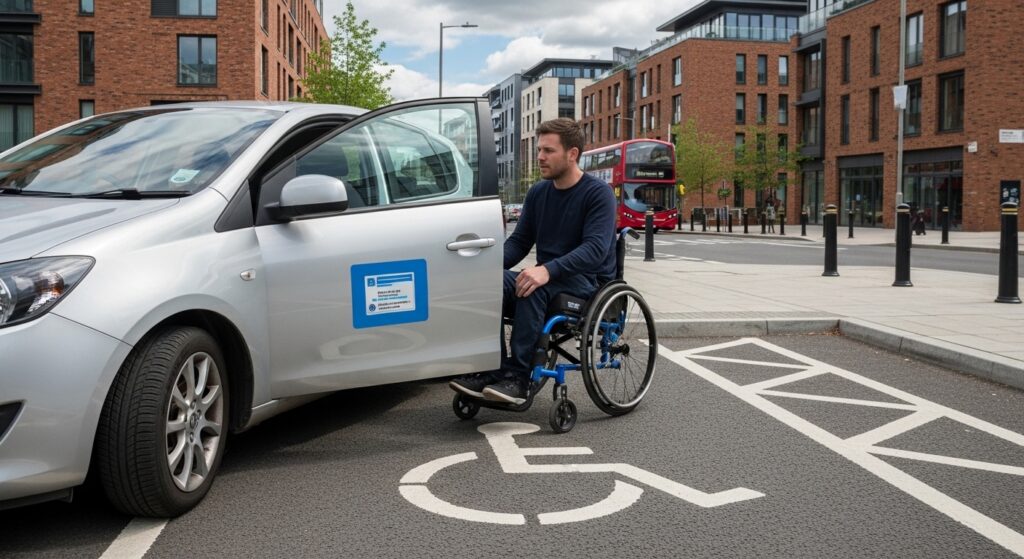
Blue Badges are valid for three years.
To renew your badge:
- Apply again through the GOV.UK portal
- Upload updated documents
- Pay the renewal fee
It is recommended to renew 8–10 weeks before expiry.
What Happens If Your Blue Badge Is Lost or Stolen?
If your badge is lost, stolen, or damaged:
- Contact your local council immediately
- Report the badge number
- Request a replacement badge
A small replacement fee may apply.
Common Mistakes to Avoid When Applying
Many Blue Badge applications are delayed due to simple mistakes.
Avoid these issues:
• Submitting incomplete medical information
• Uploading incorrect photos
• Forgetting proof of address
• Not explaining mobility difficulties clearly
Providing clear medical evidence increases the chances of approval.
Blue Badge Enforcement and Misuse
Using a Blue Badge incorrectly can lead to penalties.
Examples of misuse include:
• Using someone else’s badge
• Using an expired badge
• Parking without the disabled person present
Local authorities and the Driver and Vehicle Licensing Agency work together to monitor misuse.
Penalties can include fines and confiscation of the badge.
Future Improvements to the Blue Badge Scheme (2026)
The UK government continues improving accessibility and mobility support.
Future improvements may include:
• Digital Blue Badge systems
• Smart parking integration
• Improved accessibility infrastructure
• Expansion of hidden disability eligibility
These updates aim to make the UK more accessible for disabled residents and visitors.
Final Thoughts
The Blue Badge Scheme is a vital accessibility program that helps disabled individuals travel safely and independently across the UK.
Whether you have a visible or hidden disability, the scheme provides significant mobility support by allowing easier parking access in busy locations.
If you or a family member struggles with mobility challenges, applying for a Blue Badge can greatly improve daily life and independence.