
Caring for someone with a disability or long-term health condition can be physically and emotionally demanding. Many carers reduce their working hours or leave employment entirely to provide support. If you look after someone for at least 35 hours a week, you may be entitled to Carer’s Allowance.
This guide explains who qualifies, how much you can receive, how earnings affect your claim, and how to apply. Everything is written clearly so you can understand your options without confusion.

What Is Carer’s Allowance?
Carer’s Allowance is a UK government benefit paid to people who provide regular care for someone with a disability or serious health condition.
It is not means-tested in the traditional way, but there is a strict earnings limit. Your savings do not affect eligibility.
The person you care for must already receive one of the following:
- Personal Independence Payment (daily living component)
- Attendance Allowance
- Disability Living Allowance (middle or highest care rate)
- Armed Forces Independence Payment
- Constant Attendance Allowance
If the person does not receive one of these, you cannot claim Carer’s Allowance.
How Much Is Carer’s Allowance in 2026?
Carer’s Allowance is paid weekly.
The standard weekly rate is reviewed every April. It is typically just over £80 per week.
You receive:
- A fixed weekly payment
- National Insurance credits toward your State Pension
The amount does not increase based on how many hours you provide beyond 35 hours. Whether you provide 35 hours or 70 hours, the rate is the same.
Who Is Eligible?
To qualify, you must:
- Be aged 16 or over
- Spend at least 35 hours a week caring
- Earn below the weekly earnings limit (after deductions)
- Not be in full-time education (21+ hours per week)
- Be living in England, Scotland or Wales
The person you care for must receive a qualifying disability benefit.
You do not need to live with them, but you must provide regular care.
What Counts as 35 Hours of Care?
This is one of the most misunderstood areas.
Care can include:
- Helping with washing, dressing, or eating
- Managing medication
- Taking them to appointments
- Supervising for safety reasons
- Providing emotional support
- Cooking and household help if linked to their disability
It does not have to be physical care only. Supervision and support count if they are necessary due to the person’s condition.
You do not need to record hours formally, but you should be able to explain how you meet the 35-hour requirement.
Earnings Limit Explained
Carer’s Allowance has a strict earnings threshold.
If you work, your net weekly earnings must stay below the limit set by the government (usually around £150 per week, but always check current figures before applying).
Important:
The limit applies after deductions such as:
- Income tax
- National Insurance
- Half of pension contributions
- Certain childcare costs
If your earnings go even slightly over the limit, you lose eligibility for that week.
This is why many carers reduce their hours carefully to remain under the threshold.
Can You Receive Carer’s Allowance and Universal Credit?
Yes, but it affects how much you receive.
If you get Universal Credit and claim Carer’s Allowance:
- Your Universal Credit payment may reduce
- But you may receive a Carer Element within Universal Credit
This is why it is important to understand how benefits interact before applying.
Carer’s Allowance can also affect:
- Pension Credit
- Income Support
- Housing Benefit
Before applying, check how it impacts your current benefits.
Can Two People Claim for the Same Person?
No.
Only one person can receive Carer’s Allowance for caring for the same individual at any time.
If two carers provide support, they must decide who claims.
How to Apply for Carer’s Allowance
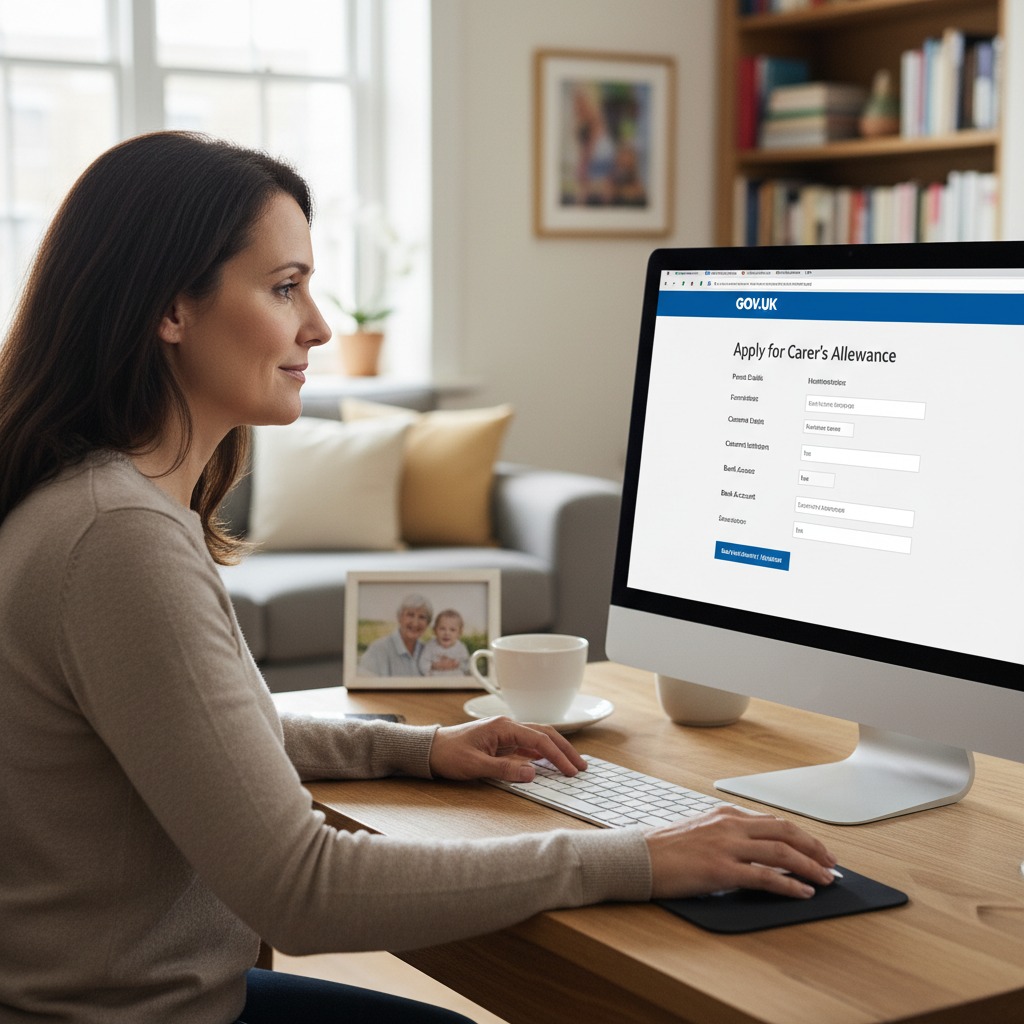
You can apply:
- Online through the official government website
- By post using a paper form
The online method is faster and usually processed more quickly.
You will need:
- Your National Insurance number
- Bank details
- Employment details (if working)
- The National Insurance number of the person you care for
- Details of their qualifying benefit
Claims can usually be backdated for up to 3 months if you were eligible during that time.

How Long Does It Take to Process?
Most claims are processed within a few weeks.
If approved, payments are typically made every four weeks into your bank account.
If rejected, you have the right to request a Mandatory Reconsideration.
What Happens If Your Situation Changes?
You must report changes, including:
- Your earnings increasing
- Starting education
- Stopping caring
- The person’s disability benefit ending
- Hospital stays lasting more than 28 days
Failure to report changes can result in overpayments, which must be repaid.
Carer’s Allowance and State Pension
You cannot usually receive full Carer’s Allowance and State Pension at the same time.
However, you may receive:
- An underlying entitlement
- Extra Pension Credit if eligible
This area can be complex, especially for older carers.
Advantages of Claiming
Even though the weekly payment is modest, Carer’s Allowance provides:
- National Insurance credits
- Access to additional benefits
- Financial recognition of unpaid care work
- Possible council support eligibility
For many families, it makes a meaningful difference.
Common Mistakes to Avoid
- Earning slightly over the weekly limit
- Not checking how it affects Universal Credit
- Failing to report changes
- Assuming savings affect eligibility (they do not)
- Thinking you must live with the person
Understanding the rules clearly prevents stress later.
Is Carer’s Allowance Worth Claiming?
If you meet the criteria, yes.
Even if the payment seems small, the National Insurance credits protect your State Pension record. Over time, that can be extremely valuable.
For many carers, it also opens the door to further support.
Final Thoughts
Providing care for someone with a disability is serious work. Carer’s Allowance exists to recognise that commitment, even if the financial support is limited.
Before applying, always check:
- Earnings carefully
- How it interacts with other benefits
- That the person you care for receives a qualifying disability benefit
If you qualify, applying online is usually the fastest route.
Disclaimer
This article is for general information purposes only and does not constitute financial or legal advice. Benefit rules and payment rates may change. Always check the official UK government website or speak with a qualified adviser before making decisions. FreedomMove is not responsible for individual claim outcomes.
For More Information Links Below