
Introduction
Disabled Students Allowance (DSA) is a key financial support system for UK students with disabilities, mental health conditions, or specific learning difficulties. It provides funds for assistive technology, specialist support, and equipment to help students succeed in their studies.
This 2026 guide explains eligibility criteria, step-by-step application process, what DSA covers, and tips for maximising support. Whether you’re a university student, college learner, or postgraduate, this article has you covered.

What Is Disabled Students Allowance (DSA)?
DSA is a government-funded scheme that helps cover additional costs students may face because of a disability. Unlike tuition fees or living costs, DSA does not have to be repaid.
DSA supports include:
- Assistive technology and software
- Specialist study support workers
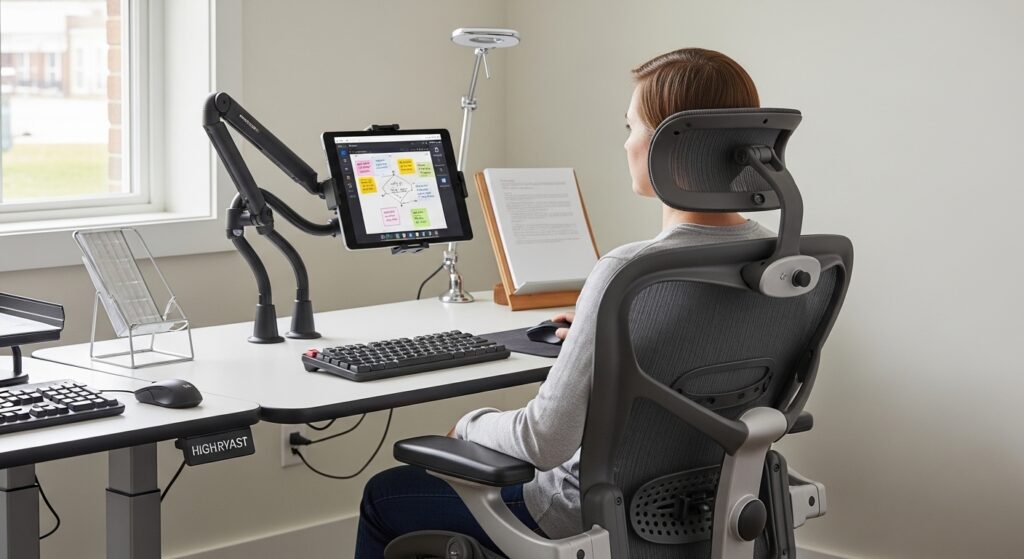
- Ergonomic furniture and equipment
- Exam adjustments (extra time, computer use, etc.)
DSA is available across England, Scotland, Wales, and Northern Ireland, with minor regional differences in application processes.
Who Is Eligible for DSA in 2026?
You may qualify if you:
- Are a UK student (full-time or part-time)
- Have a disability, long-term health condition, mental health condition, or specific learning difficulty (e.g., dyslexia)
- Are studying at a higher education institution recognised in the UK
Eligibility is not based on income, so students from any background can apply. However, you must provide medical or educational evidence of your condition.
Common conditions supported by DSA:
- Dyslexia or dyscalculia
- Autism spectrum disorders
- ADHD
- Hearing or visual impairments
- Mental health conditions like anxiety, depression, or bipolar disorder
- Physical disabilities or mobility impairments
Step-by-Step Guide to Applying for DSA
Step 1: Contact Student Finance
- Apply for Student Finance England, Wales, Scotland, or Northern Ireland, depending on your region.
- Indicate your disability and intention to apply for DSA on your application.
Step 2: Provide Evidence
- Submit official documentation, e.g.:
- GP or specialist letter confirming your condition
- Psychological or educational assessment
- Documentation should clearly state how your disability impacts study.
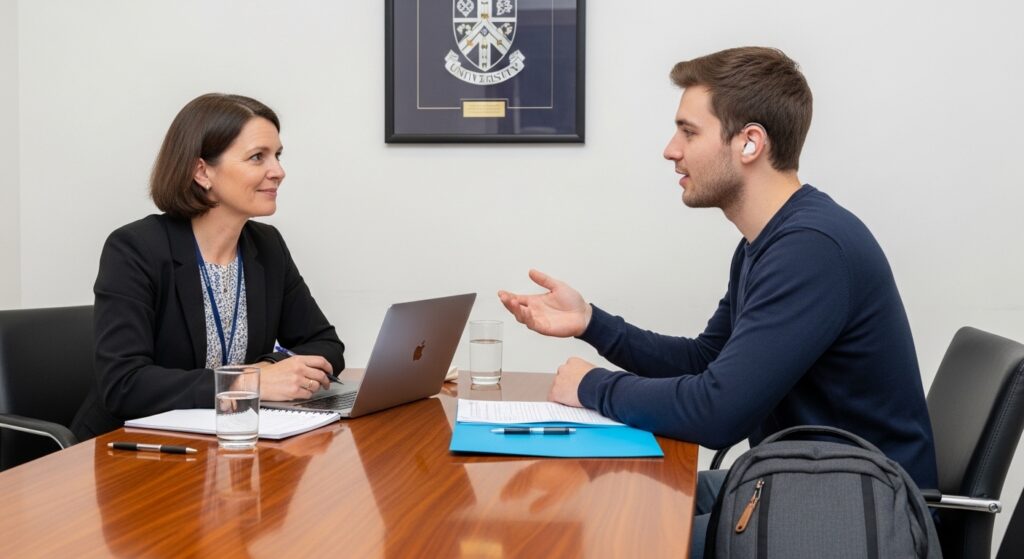
Step 3: Needs Assessment
- You’ll be offered a Needs Assessment by an approved assessment centre.
- The assessment identifies which tools, equipment, or support are necessary.
- Costs are based on actual need, not preference.
Step 4: DSA Approval and Funding Letter
- After assessment, you receive a DSA funding letter detailing:
- Approved equipment and software
- Specialist support hours
- Budget allocations
Step 5: Procurement and Implementation
- Use the funding to purchase equipment or book support through approved suppliers.
- Some universities provide laptop loans, software licences, or access to support staff directly.
What Does DSA Cover?
DSA funding is divided into three main categories:
1. Specialist Equipment
- Laptops, tablets, and ergonomic devices
- Software: speech-to-text, text-to-speech, mind-mapping tools
- Braille devices or audio recorders
2. Non-Medical Helpers
- Note-takers
- Mentors or study skills tutors
- Proofreaders or transcription support
3. Additional Costs
- Travel expenses between home and university
- Extra photocopying or printing
- Minor adaptations for study space
Important: DSA does not cover tuition fees, general living costs, or medical treatments.
Applying as a Part-Time or Postgraduate Student
- Part-time students can apply if studying at least 25% of full-time hours.
- Postgraduate students (Masters, PhD) may also apply, with similar evidence and assessment requirements.
- Regional funding bodies may have slight variations in funding limits.
Tips for a Successful DSA Application
- Start Early: Needs assessments can take weeks; apply as soon as possible.
- Provide Clear Evidence: Strong documentation increases approval chances.
- Plan Equipment Choices: Focus on essential tools first.
- Keep Receipts: Some suppliers require proof of purchase.
- Maintain Communication: Regular contact with your university’s disability service ensures smooth implementation.
Common Mistakes to Avoid
- Applying too late, causing delays in equipment delivery
- Submitting vague or incomplete medical evidence
- Requesting unnecessary items outside the assessment recommendations
- Failing to notify Student Finance about changes in study plans
- How to Claim Disabled Students Allowance (DSA) in the UK – Complete Guide (2026)
- Universal Credit Disability Element – Who Qualifies and How It Works (2026 Guide)
FAQs – Schema Ready
Q1: How long does it take to get DSA approved?
A1: Typically 4–6 weeks from application submission, but times can vary depending on assessment scheduling.
Q2: Can I apply for DSA if I study online?
A2: Yes, distance learning students are eligible, but evidence must show how your disability affects study.
Q3: Can DSA cover software subscriptions?
A3: Yes, subscriptions necessary for study like screen readers or speech-to-text software can be covered.
Q4: Do I need a Needs Assessment for every year of study?
A4: No, a single assessment is usually valid for your entire course, but updates may be requested if circumstances change.
Q5: What if my application is rejected?
A5: You can appeal or provide additional evidence. Contact your university’s disability service for guidance.
Conclusion
Disabled Students Allowance (DSA) is an essential support system for students with disabilities in the UK. By understanding eligibility, completing a proper needs assessment, and using the funds wisely, students can access the tools and support they need to succeed academically.
Applying in 2026 ensures access to the latest assistive technology, expert guidance, and government-backed funding—making education more inclusive, accessible, and stress-free.
Disclaimer:
This article is for informational purposes only and does not constitute legal, medical, or financial advice. Always consult official UK sources or a qualified professional for guidance on DSA and disability support.
Pingback: Disability-Friendly UK Universities – 2026 Guide - FreedomMove.co.uk