

Living with a disability can create financial challenges, especially when additional healthcare, mobility equipment, or personal assistance is required. To support disabled individuals and their families, the UK Government provides several financial support programs designed to improve independence and quality of life.
These disability benefits help cover daily living costs, mobility expenses, and care support. Understanding which benefits you qualify for can significantly improve your financial stability and access to essential services.
In this comprehensive 2026 guide, we will explain the main disability benefits available in the UK, eligibility requirements, how to apply, and tips to increase approval chances.
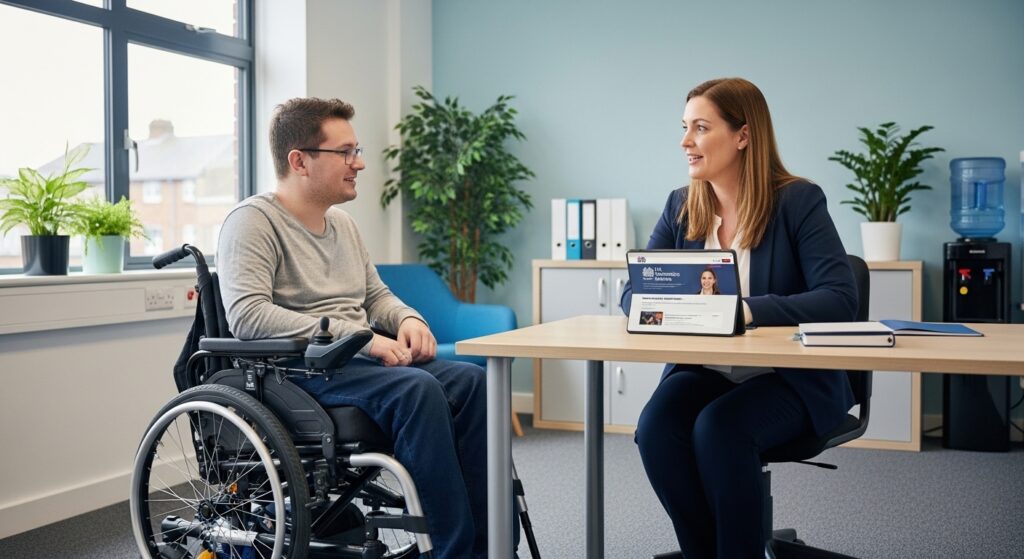
What Are Disability Benefits in the UK?
Disability benefits are financial support payments provided by the government to individuals who have long-term physical or mental health conditions that affect daily life.
These benefits help people pay for:
• Personal care support
• Mobility assistance
• Medical equipment
• Transport and accessibility needs
• Additional living costs caused by disability
Most benefits are administered through the Department for Work and Pensions.
Unlike standard welfare programs, many disability benefits are not based on income, meaning you can receive them even if you are working.
Main Disability Benefits Available in the UK
Several financial support programs exist for disabled individuals. Each benefit serves different needs depending on age, disability level, and financial circumstances.
Personal Independence Payment (PIP)
One of the most important disability benefits in the UK is Personal Independence Payment.
PIP is designed for adults aged 16 to State Pension age who have long-term health conditions or disabilities.
What PIP Covers
PIP has two components:
Daily Living Component
This supports people who need help with everyday activities such as:
• Preparing food
• Washing and bathing
• Dressing
• Communicating
• Managing medication
Mobility Component
This helps individuals who have difficulty moving around or traveling.
Payments depend on the severity of the condition and are divided into standard rate and enhanced rate.
Disability Living Allowance (DLA)
Although PIP replaced DLA for most adults, Disability Living Allowance is still available for children under 16.
DLA provides financial assistance for:
• Personal care
• Supervision needs
• Mobility challenges
Parents or guardians usually manage this benefit for their child.
Attendance Allowance
Older individuals who develop disabilities after reaching pension age may qualify for Attendance Allowance.
This benefit is for people who need assistance with personal care but do not receive PIP.
Common conditions supported by Attendance Allowance include:
• Dementia
• Arthritis
• Parkinson’s disease
• Severe mobility issues
Payments are usually made weekly and depend on the level of care required.
Employment and Support Allowance (ESA)
If a disability prevents someone from working, they may qualify for Employment and Support Allowance.
ESA provides financial support and employment assistance for individuals who cannot work due to illness or disability.
Applicants typically go through a Work Capability Assessment to determine eligibility.
Universal Credit Disability Support
Many disabled individuals now receive support through Universal Credit, which includes additional disability elements.
Universal Credit may provide extra financial support for people who:
• Have limited capability for work
• Require long-term health support
• Care for disabled family members
This system has gradually replaced older benefits such as Housing Benefit and Income Support.
Carer’s Allowance
People who care for disabled individuals may qualify for Carer’s Allowance.
This benefit is available to individuals who spend at least 35 hours per week caring for someone with a disability.
Carer’s Allowance helps support unpaid caregivers who assist family members with daily tasks.
Access to Work Scheme
The Access to Work helps disabled people maintain employment by covering workplace adjustments.
This program may fund:
• Specialist equipment
• Travel support
• Sign language interpreters
• Workplace assistants
It is designed to ensure disabled individuals have equal opportunities in the workplace.
Who Is Eligible for Disability Benefits?
Eligibility varies depending on the benefit, but most programs require applicants to:
• Have a long-term health condition or disability
• Experience difficulty performing daily activities
• Have a condition lasting at least 12 months
• Provide medical evidence
Some benefits also consider income levels, while others do not.
How to Apply for Disability Benefits
Most disability benefits can be applied for through GOV.UK.
Step 1 – Identify the Correct Benefit
Choose the benefit that matches your situation, such as PIP, DLA, or Attendance Allowance.
Step 2 – Gather Medical Evidence
Strong applications usually include supporting documents such as:
• Medical reports
• GP letters
• Hospital records
• Occupational therapy assessments
This evidence helps demonstrate the impact of your condition.
Step 3 – Complete the Application Form
Application forms usually require detailed explanations about:
• Daily challenges
• Mobility limitations
• Care needs
Providing clear and honest descriptions improves approval chances.
Step 4 – Attend an Assessment (If Required)
Some benefits require a medical assessment conducted by an independent healthcare professional.
The assessment focuses on how your condition affects daily life rather than the diagnosis itself.
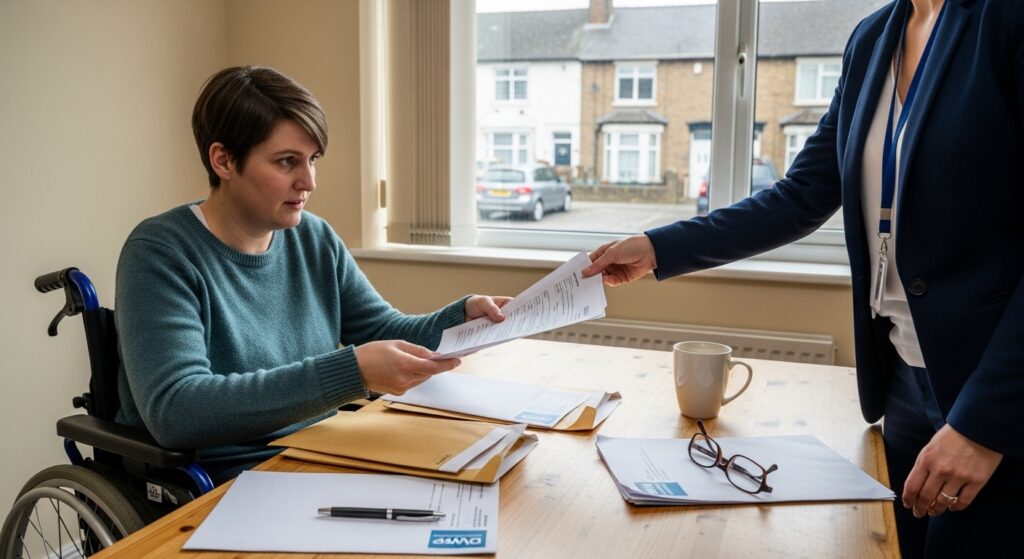
How Much Disability Benefits Pay (2026 Estimates)
Payment amounts vary depending on the benefit and assessment results.
Typical ranges include:
• PIP Daily Living: up to around £108 per week
• PIP Mobility: up to around £75 per week
• Attendance Allowance: up to around £101 per week
• Carer’s Allowance: about £81 per week
These payments are usually tax-free.
Additional Support Available for Disabled Individuals
In addition to financial benefits, disabled individuals may receive support services such as:
• Accessible housing programs
• Home care assistance
• Mobility equipment grants
• Transportation support
Many of these services are provided through National Health Service and local councils.
Common Mistakes That Cause Benefit Rejections
Many disability benefit applications are rejected due to avoidable mistakes.
Common issues include:
• Incomplete forms
• Insufficient medical evidence
• Underestimating daily difficulties
• Missing deadlines
Applicants should provide detailed explanations about how their disability affects everyday life.
What to Do If Your Claim Is Rejected
If your disability benefit claim is denied, you have the right to challenge the decision.
The process includes:
- Mandatory reconsideration
- Appeal to an independent tribunal
Many applicants succeed after submitting additional evidence during the appeal stage.
Future Disability Support Changes (2026 and Beyond)
The UK government continues updating disability support systems to improve accessibility and fairness.
Possible changes include:
• Digital benefit assessments
• Faster application processing
• Expanded workplace accessibility programs
• Improved disability employment initiatives
These changes aim to create a more inclusive society for people living with disabilities.
Final Thoughts
Disability benefits play an essential role in supporting individuals who face daily challenges due to health conditions or mobility limitations. Programs such as Personal Independence Payment, Attendance Allowance, and Access to Work help thousands of people maintain independence and financial stability.
Understanding these benefits and applying for the correct support can significantly improve quality of life for disabled individuals and their families.