
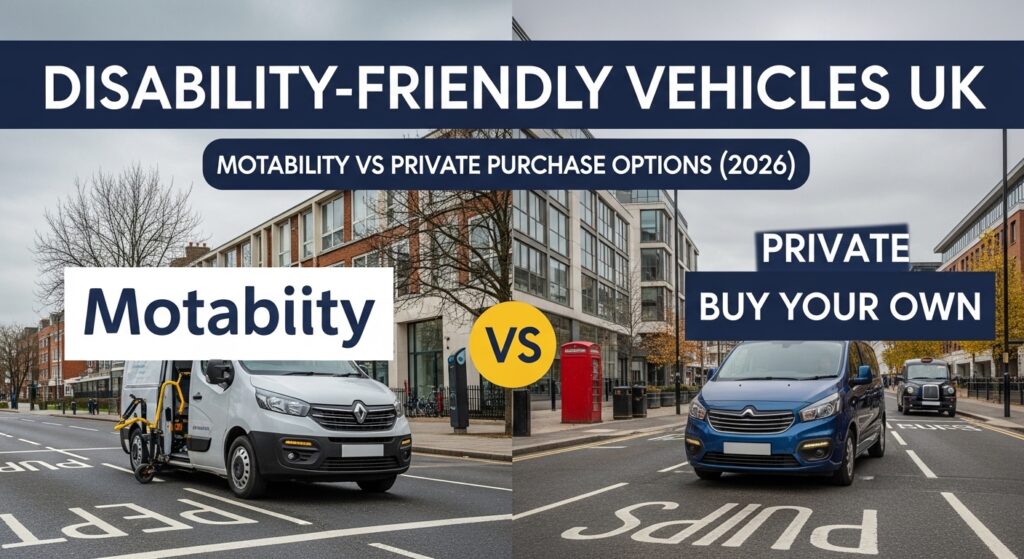
For many disabled residents in the UK, mobility extends beyond the home. Access to a suitable vehicle is essential for independence, employment, and social participation. This guide compares Motability vehicles with private purchase options, including costs, eligibility, and considerations.
Understanding Disability-Friendly Vehicles
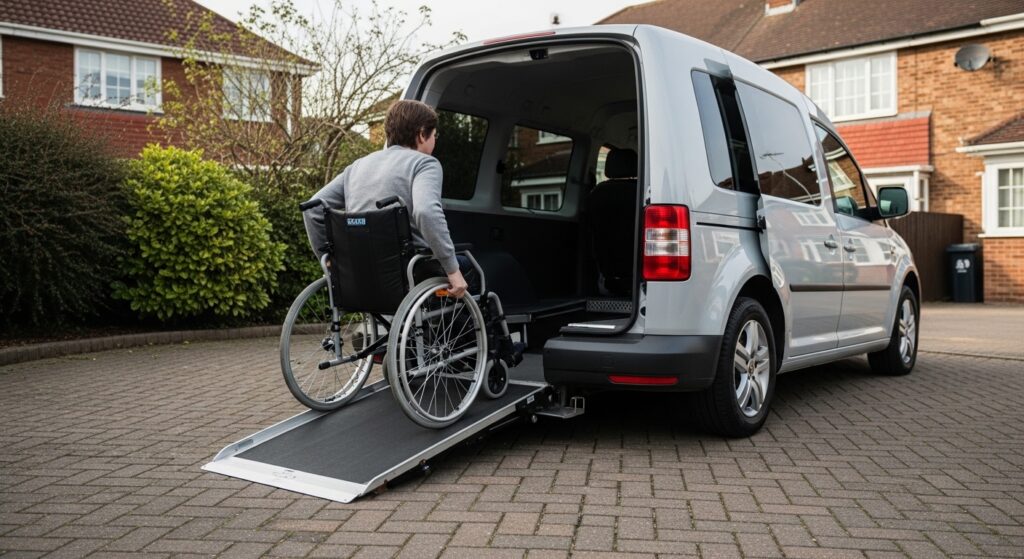
Disability-friendly vehicles are adapted for wheelchair access or modified for drivers and passengers with mobility challenges. Features include:
- Wheelchair ramps or lifts
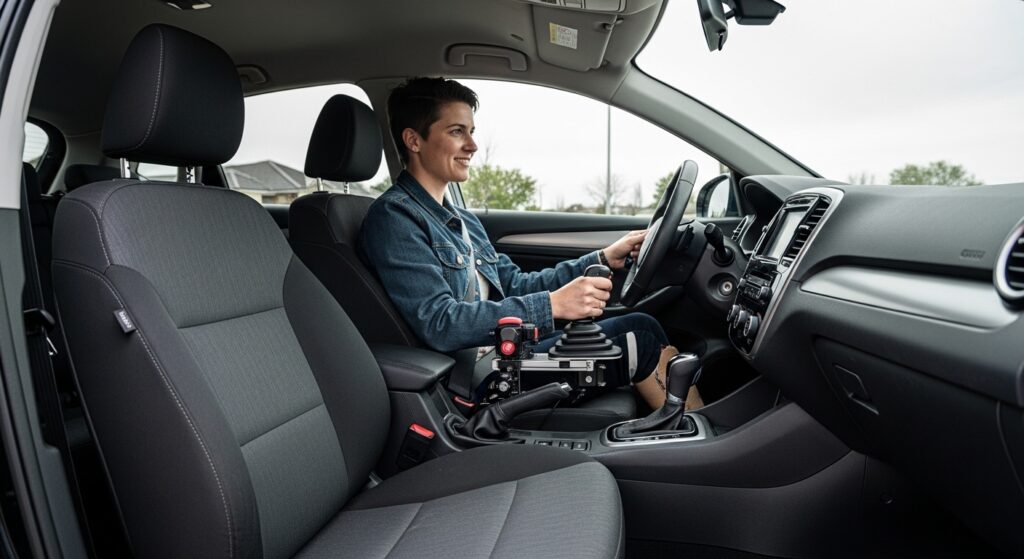
- Hand controls for driving
- Swivel seats
- Extra space for carers or mobility devices
- Safety adaptations for secure wheelchair travel
Choosing the right vehicle depends on individual needs, home access, and funding options.
The Motability Scheme
What Is Motability?
The Motability Scheme is a UK government-supported program that allows people receiving eligible mobility benefits to lease a car, scooter, or powered wheelchair.
- Funded using mobility allowances from PIP, DLA, or AFIP
- Managed by Motability Operations Ltd in partnership with the UK government
- Hundreds of vehicle models are available
Eligibility for Motability
To qualify, you must receive one of the following benefits:
- Enhanced Rate Mobility Component of PIP
- Higher Rate Mobility Component of DLA
- War Pensioners’ Mobility Supplement
Vehicle Options Through Motability
- Compact Cars – Small, easy to park, suitable for city driving
- Wheelchair Accessible Vehicles (WAVs) – Ramps or lifts for wheelchair users
- Scooters & Powered Wheelchairs – For independent mobility
- MPVs & Vans – Extra space for carers or multiple passengers
Costs and Lease Terms
- Standard monthly payment covers vehicle, insurance, servicing, and maintenance
- Lease terms typically 3 years
- Optional upgrades may include satellite navigation, automatic doors, or swivel seats
Tip: Check your mobility allowance and speak to Motability advisors for exact eligibility and costs.
Private Purchase Options
For those not eligible for Motability, private purchase remains an option:
- Buy new or used vehicles adapted for disability
- Custom modifications: ramps, lifts, hand controls
- Insurance may be higher than standard vehicles
Pros of Private Purchase:
- Full ownership
- Flexible modifications
- No restrictions on mileage or lease terms
Cons:
- Higher upfront cost
- Maintenance responsibility
- Funding usually limited to personal or charity support
Comparing Motability vs Private Purchase
| Feature | Motability | Private Purchase |
| Upfront Cost | Low/none | High |
| Adaptations Included | Yes (depending on model) | Yes (extra cost) |
| Maintenance & Servicing | Included | Owner pays |
| Ownership | Lease | Full ownership |
| Eligibility | Restricted | Anyone |
| Flexibility | Limited by lease terms |
Additional Considerations
- Vehicle Size: Ensure driveway and garage access for WAVs
- Insurance: Check policies for adapted vehicles
- Accessibility: Swivel seats, hand controls, and ramps must fit user needs
- Funding: Some charities or local councils provide grants for adaptations
Tips for Choosing the Right Vehicle
- Assess your mobility needs and daily routines
- Consult an occupational therapist for wheelchair access requirements
- Test drive vehicles with adaptations before committing
- Compare total costs over lease or purchase period
- Check long-term reliability and warranty coverage
Final Thoughts
Choosing a disability-friendly vehicle in the UK requires careful planning and consideration. Whether through Motability or private purchase, the right vehicle enhances independence, improves quality of life, and allows full participation in work and social activities.
Disclaimer
This article is informational and does not constitute financial or legal advice. Always confirm eligibility and vehicle specifications with Motability or certified vehicle suppliers. FreedomMove may earn commission from affiliate links where applicable.