
Accessing necessary medications should never be a barrier to health, and the UK’s National Health Service (NHS) provides free prescriptions to eligible residents. Understanding who qualifies, how to apply, and the rules surrounding NHS prescriptions can save both time and money. This comprehensive guide covers eligibility, application steps, exemptions, and practical tips for managing prescriptions in the UK.

What are NHS Prescriptions?
NHS prescriptions are a part of the UK’s healthcare system, providing medications prescribed by a doctor, dentist, or nurse practitioner. While many people pay a standard prescription charge, certain groups are exempt and can receive medications for free.
Key Facts
- Standard prescription charge (2026): £10.50 per item in England
- Free in Scotland, Wales, and Northern Ireland
- Covers most medications prescribed by NHS healthcare providers
Who Qualifies for Free NHS Prescriptions?
Eligibility depends on age, health condition, and financial circumstances. Categories include:
1. Age-Based Exemptions
- Under 16 years old: All prescriptions are free
- 16–18 years old in full-time education: Eligible for free prescriptions
- Over 60 years old: Automatically qualify for free prescriptions
2. Medical Condition Exemptions
People with certain long-term conditions are eligible:
- Diabetes (type 1 or type 2)
- Epilepsy requiring continuous therapy
- Cancer or receiving chemotherapy/radiotherapy
- Hypothyroidism (congenital or acquired)
- Multiple sclerosis
- Any other conditions listed under medical exemption certificates

3. Financial Exemptions
- Low-income or benefits recipients may qualify:
- Income Support
- Income-based Jobseeker’s Allowance
- Income-related Employment and Support Allowance
- Pension Credit Guarantee Credit
- Income Support
- HC2 certificate holders (full help with health costs)
Tip: Always carry the relevant certificate or proof to pharmacies for verification.
How to Apply for Free NHS Prescriptions
Step 1 – Check Eligibility
Use the NHS website to confirm if you fall under age, medical, or financial exemptions.
Step 2 – Complete the Application
- Online: Apply for an exemption certificate or prepayment certificate via NHS Business Services Authority (BSA)
- Paper: Forms can be requested from your local pharmacy or NHS office
Step 3 – Submit Supporting Documents
- Medical exemption: Doctor’s note or medical certificate
- Financial exemption: Proof of benefits or income support
Step 4 – Receive Exemption Certificate
The NHS will issue a Medical Exemption Certificate (MEC) or Prepayment Certificate (PPC) valid for up to 5 years.
Step 5 – Use at Pharmacies
Present your certificate at the pharmacy when collecting prescriptions to avoid charges.
Prepayment Certificates (PPC) for Frequent Prescriptions
If you require multiple medications per month, consider a PPC, which covers unlimited prescriptions for a fixed period:
- 3-month PPC: £31.25
- 12-month PPC: £111.60
This can save money for those needing several prescription items regularly.
Common Challenges and Solutions
Challenge 1 – Forgetting to Renew Certificates
Exemption certificates and PPCs have expiry dates.
Solution: Set reminders in your phone or calendar to renew before expiry.
Challenge 2 – Understanding Qualifying Conditions
Some medical conditions are eligible, but others may require additional proof.
Solution: Always check with your GP or local NHS office for clarification.
Challenge 3 – Financial Verification Issues
Some pharmacies may request additional proof for financial exemptions.
Solution: Keep recent letters or digital proof of benefits available when collecting prescriptions.
NHS Prescriptions in Scotland, Wales, and Northern Ireland
- Scotland: All NHS prescriptions are free
- Wales: All NHS prescriptions are free
- Northern Ireland: All NHS prescriptions are free
Residents outside England enjoy simpler access, but eligibility rules for certificates still apply if moving between nations.
Practical Tips for Managing Prescriptions
- Organise your medications: Use pill organizers or reminder apps
- Check prescription expiry dates: Avoid gaps in medication
- Use online NHS services: Order repeat prescriptions digitally where available
- Combine collection visits: Save travel time by synchronising prescriptions
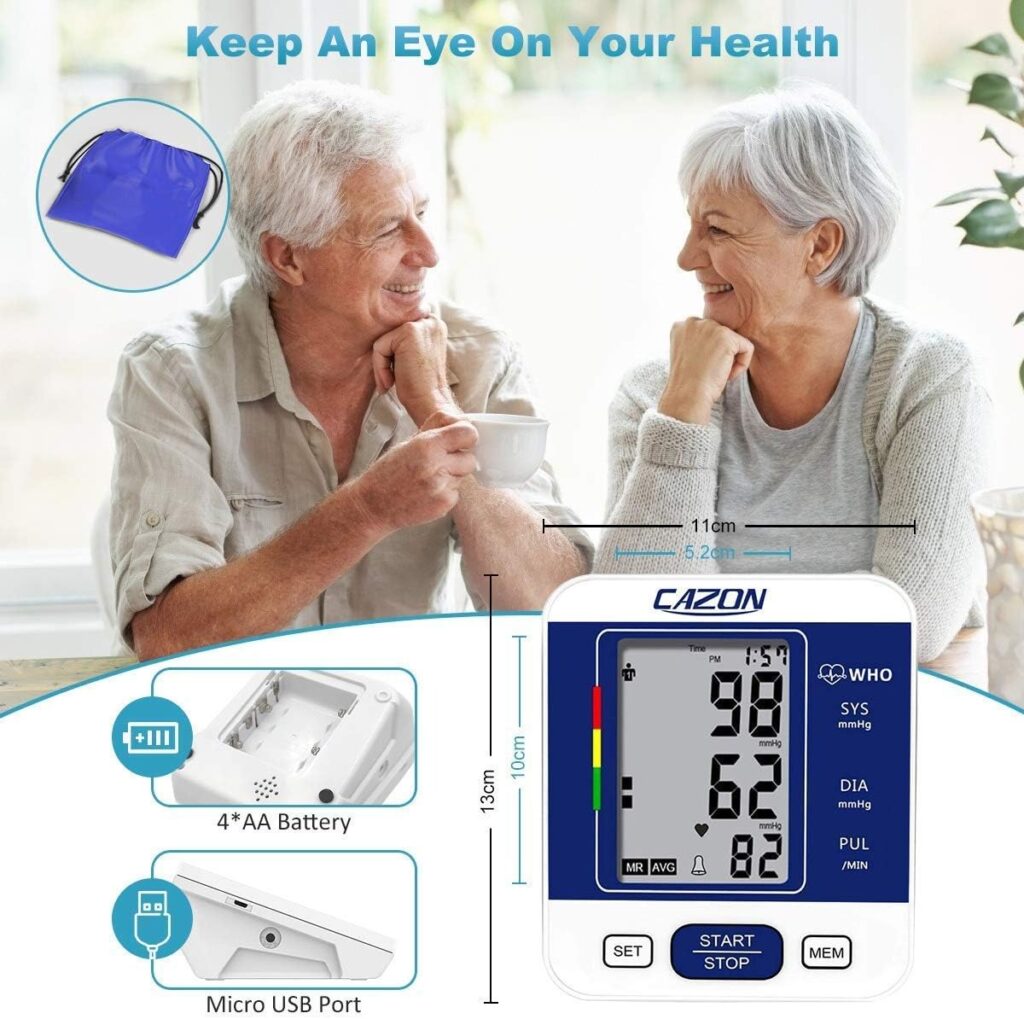
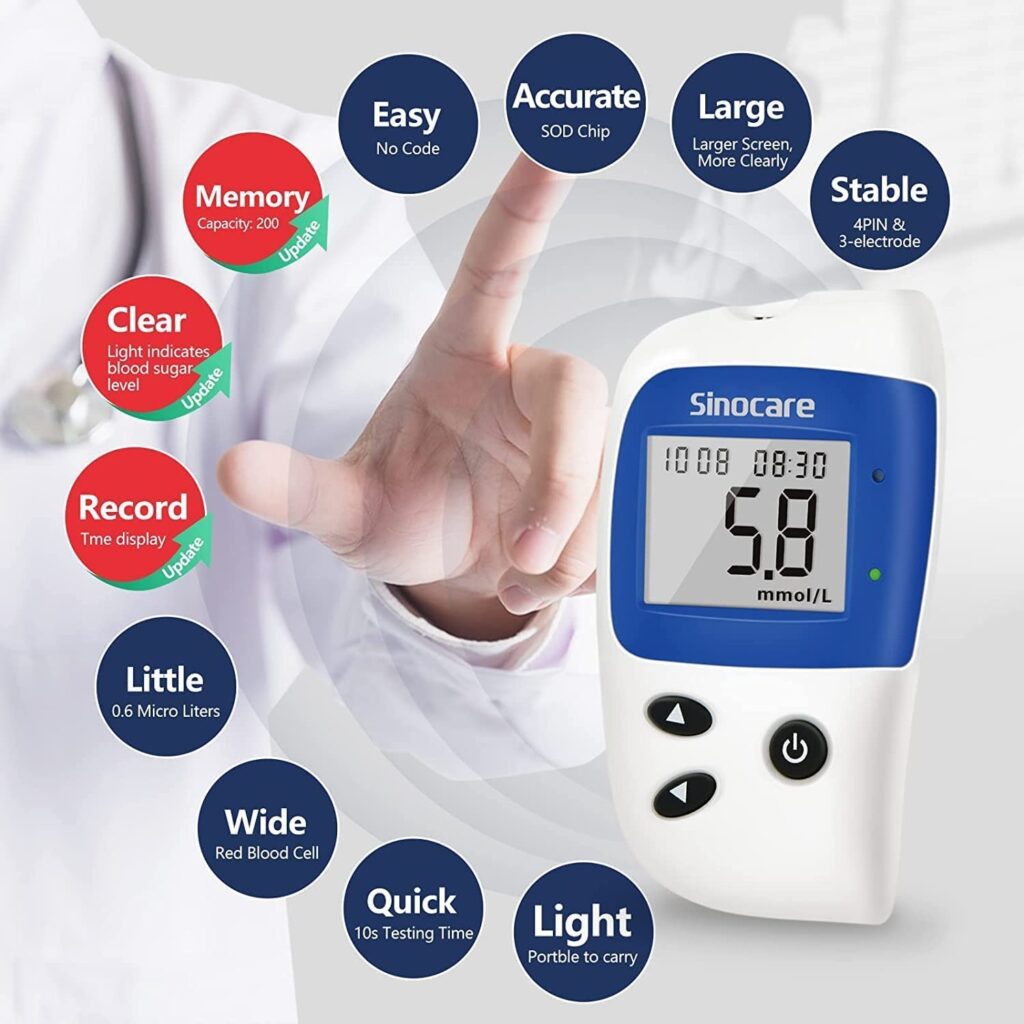
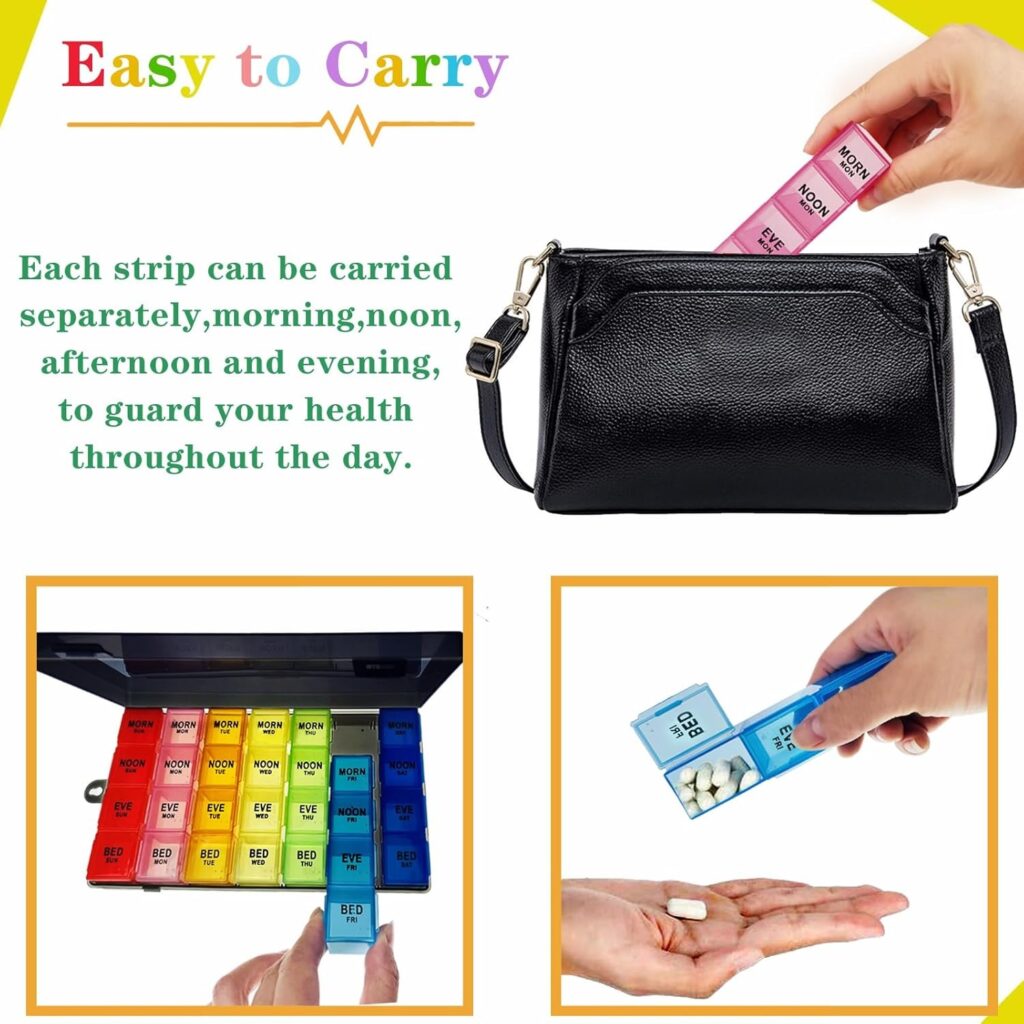
For readers needing practical support, FreedomMove may include:
Affiliate Disclaimer: FreedomMove may earn a commission from affiliate links, but all recommendations are based on practical utility and real user needs.
Final Thoughts
Free NHS prescriptions are an important support mechanism for people with chronic conditions, disabilities, or financial constraints. Knowing who qualifies, how to apply, and the rules for exemptions ensures access to medications without unnecessary cost.
By combining certificates, prepayment options, and practical management tips, patients and caregivers can optimise their health outcomes while reducing financial stress.
Disclaimer
This article is for informational purposes only. Always confirm NHS prescription eligibility, certificate rules, and exemption criteria through official NHS sources. FreedomMove may include affiliate links for convenience and practical support.