
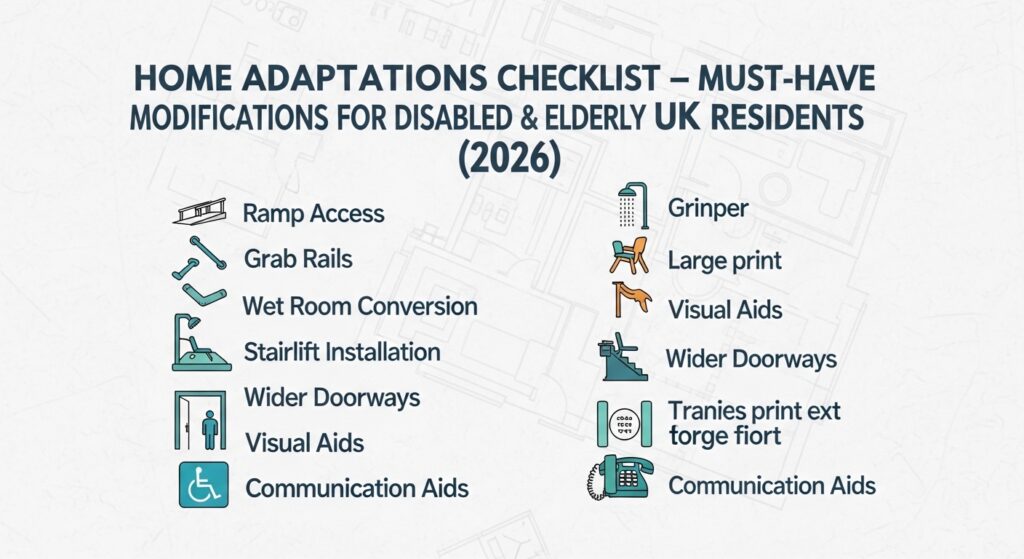
Maintaining independence at home is crucial for elderly or disabled residents. Simple modifications can dramatically improve safety, reduce falls, and make daily living easier.
This comprehensive guide covers essential home adaptations, associated costs, grants, and practical tips for UK homeowners.
Why Home Adaptations Matter
Falls and mobility challenges are a leading cause of injury among the elderly. Home adaptations:
- Improve safety and reduce accident risk
- Enable independent living for longer
- Reduce carer strain
- Can be funded partially or fully through government grants
Key Home Adaptations
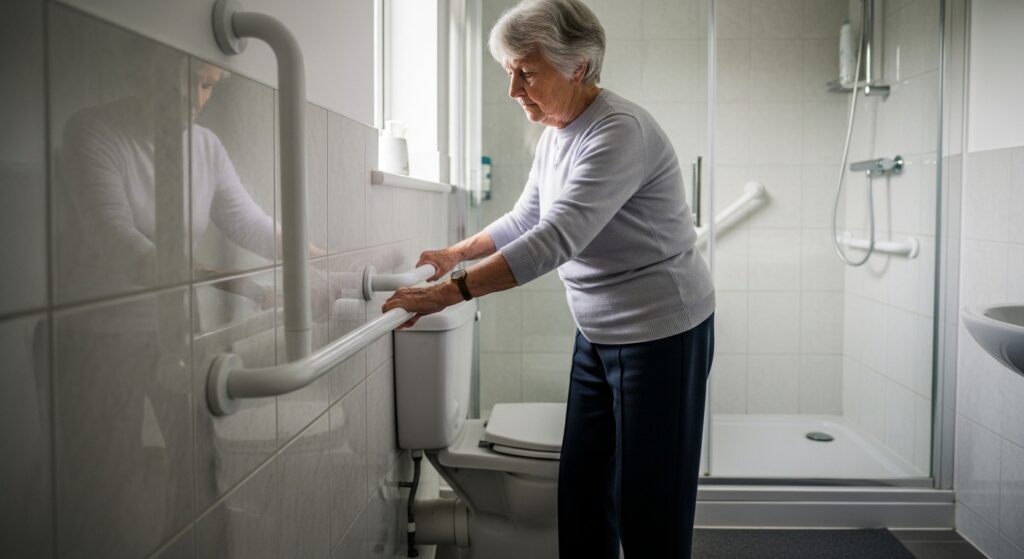
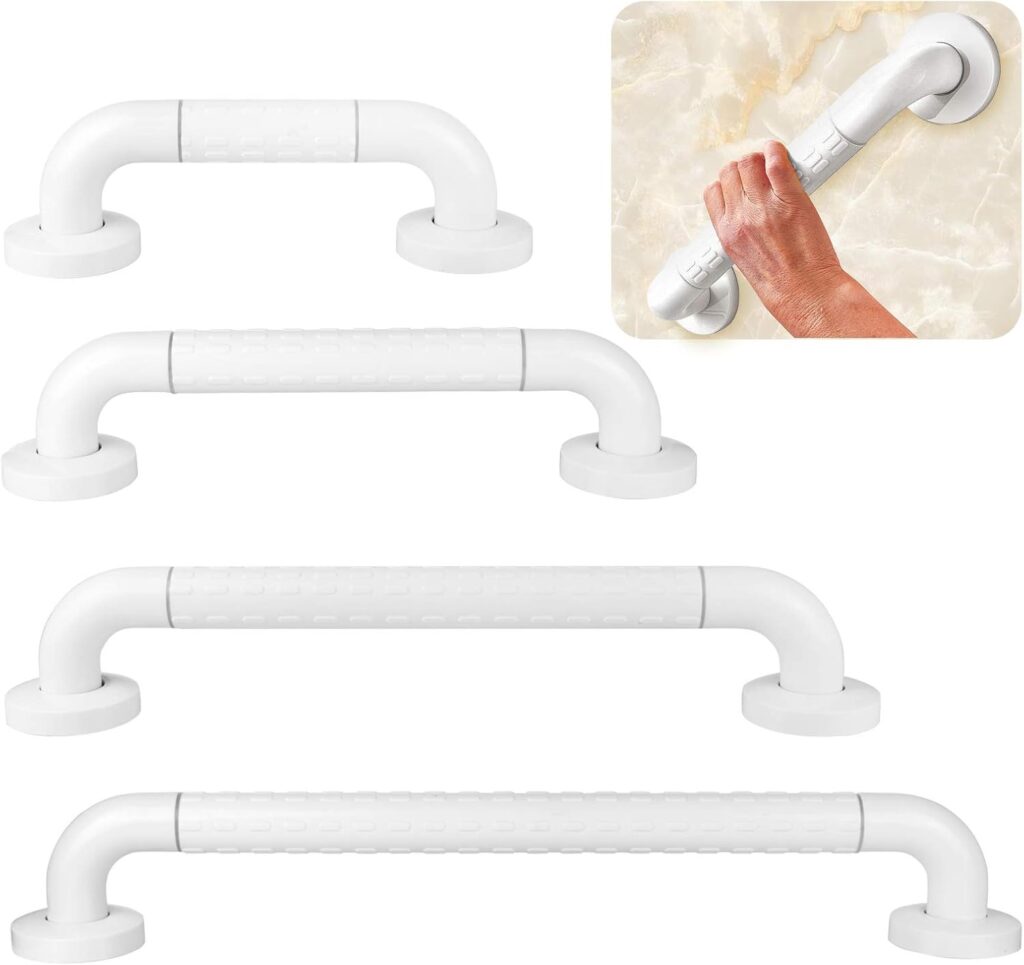
1. Grab Rails & Handrails
- Installed near stairs, bathrooms, and corridors
- Provide support for transfers and balance
- Can be wall-mounted or freestanding
Cost: £20 – £150 depending on design and length
Tips: Ensure rails are securely fixed and positioned at the right height for users.
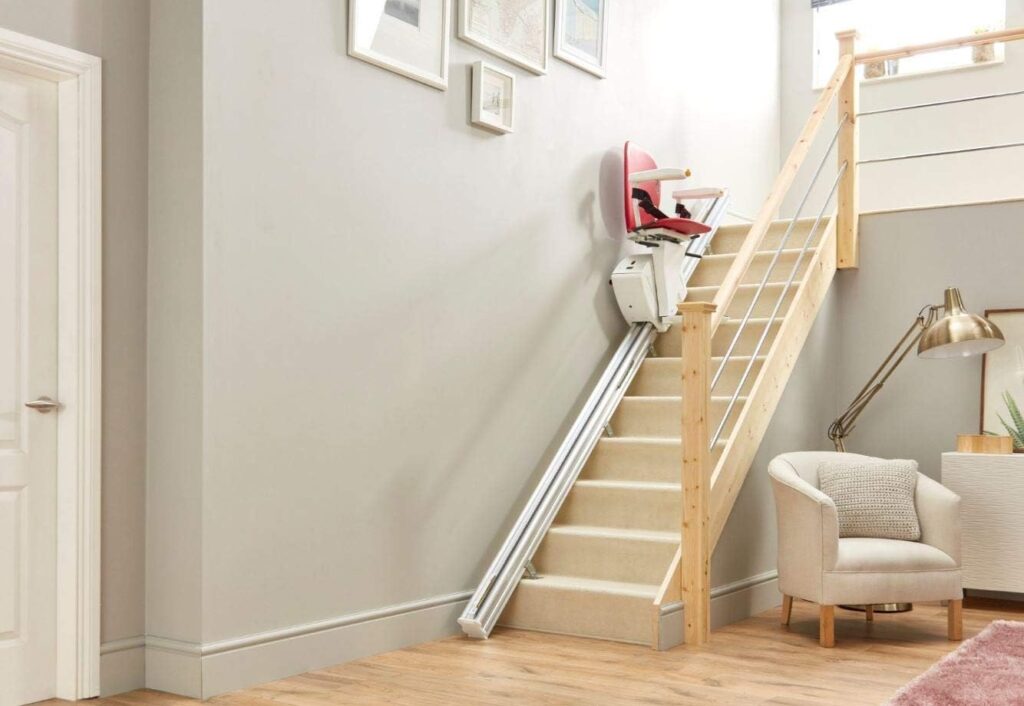
2. Stairlifts
- Ideal for multi-storey homes
- Can be straight or curved
- Allow safe stair navigation without physical strain
Cost: £2,000 – £7,000 depending on staircase type
Funding: Disabled Facilities Grant (DFG) or council support
3. Through-Floor Lifts
- Provide wheelchair access between floors
- Suitable for narrow or complex staircases
- Enclosed platform ensures safety
Cost: £8,000 – £20,000+
Tip: Requires a professional survey for space and safety
4. Bathroom Adaptations
Walk-in Showers & Wet Rooms
- Barrier-free entry
- Non-slip flooring
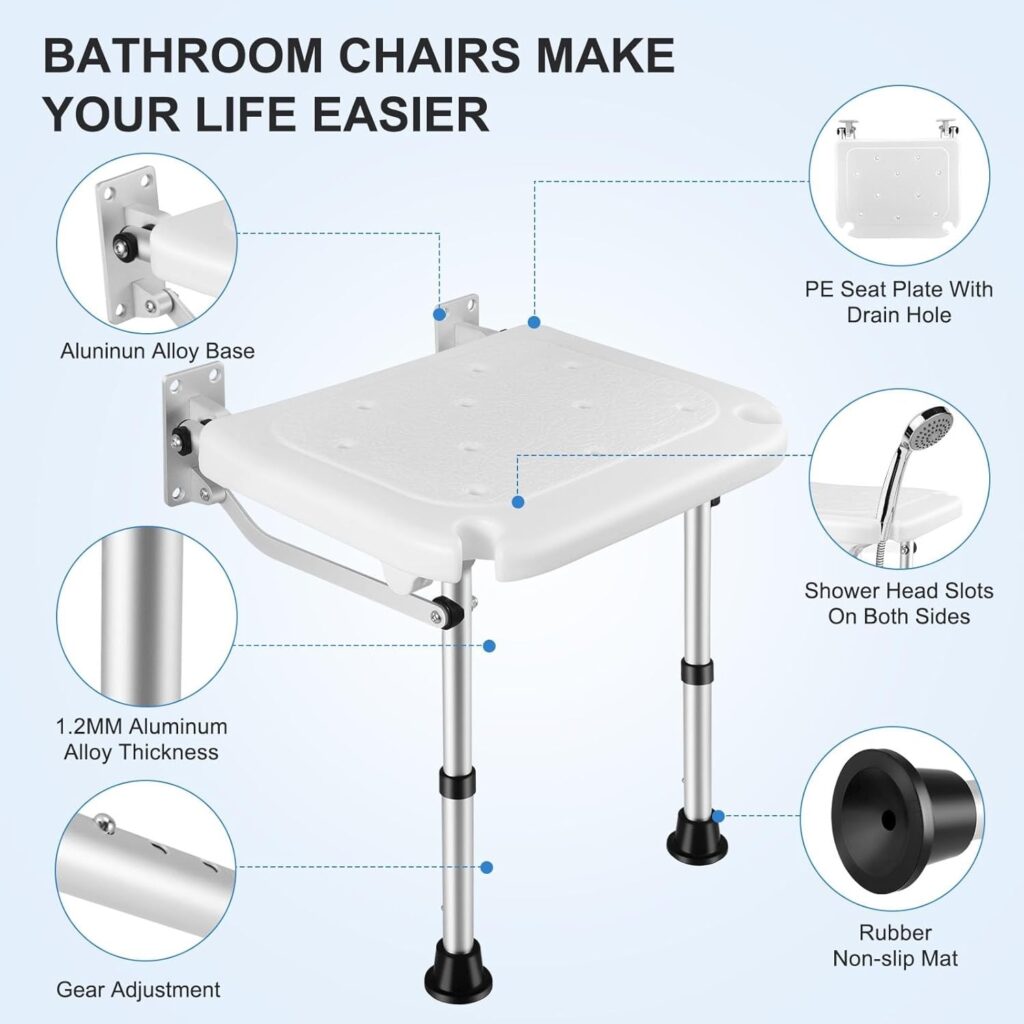
- Shower seats
Raised Toilet Seats & Toilet Frames
- Easier transfers
- Reduces fall risk
Cost: £500 – £5,000 depending on scope
Funding: DFG often covers essential bathroom adaptations
5. Kitchen Modifications
- Lowered worktops and cabinets for wheelchair users
- Easy-to-reach storage
- Lever-style taps for reduced hand strain
Tip: Ensure pathways are wide enough for mobility devices.
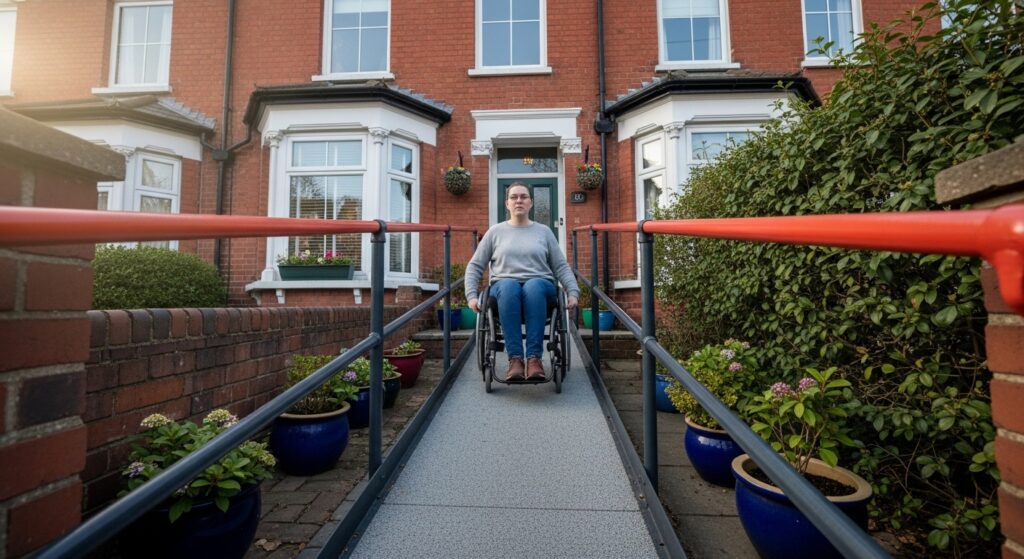
6. Ramps & Step-Free Access
- Portable or permanent ramps at entrances
- Enables wheelchair and scooter access
- Reduces risk of trips and falls
Cost: £200 – £2,000 depending on length and material
7. Lighting & Safety Enhancements
- Motion-sensor lighting in corridors, bathrooms, and entrances
- Contrasting colors for stairs and thresholds
- Smoke and carbon monoxide alarms
Tip: Proper lighting reduces falls and increases confidence
8. Door & Access Modifications
- Widen doorways for wheelchair access
- Automatic or easy-to-open doors
- Lever handles instead of round knobs
Cost: £150 – £1,500 depending on door type and automation
9. Flooring Considerations
- Non-slip flooring throughout
- Remove loose rugs or obstacles
- Smooth transitions between rooms
Tip: Flooring choice can prevent trips and improve wheelchair maneuverability
10. Emergency & Support Systems
- Pull cords in bathrooms
- Personal alarms and alert systems
- Intercoms for large homes
Tip: These systems provide peace of mind for residents and carers
Grants and Funding Options in the UK
- Disabled Facilities Grant (DFG): Main source for adaptations
- Council funding: Some councils provide discretionary grants
- VAT exemption: Some equipment for disabled users is VAT-free
Eligibility typically requires assessment by an occupational therapist.
DIY vs Professional Installation
- DIY: Grab rails, non-slip mats, and lighting improvements can be installed safely by homeowners
- Professional: Stairlifts, through-floor lifts, wet rooms, and major kitchen or bathroom modifications should be installed by certified contractors
Always check for warranties and safety compliance.
Tips for Planning Adaptations
- Prioritize high-risk areas first (stairs, bathrooms)
- Consult an occupational therapist for personalized recommendations
- Check for grants and funding before starting projects
- Consider long-term needs as mobility may decline over time
- Maintain equipment regularly for safety and reliability
Product Links :
Final Thoughts
Home adaptations are a vital investment for safety, independence, and quality of life. Proper planning, professional advice, and available funding can make changes affordable and effective.
Small adjustments often have a big impact, allowing residents to remain in their homes safely and comfortably for longer.
Disclaimer
This article is for informational purposes only. Always consult professionals before making significant home adaptations. FreedomMove may earn commission from affiliate links where applicable.