
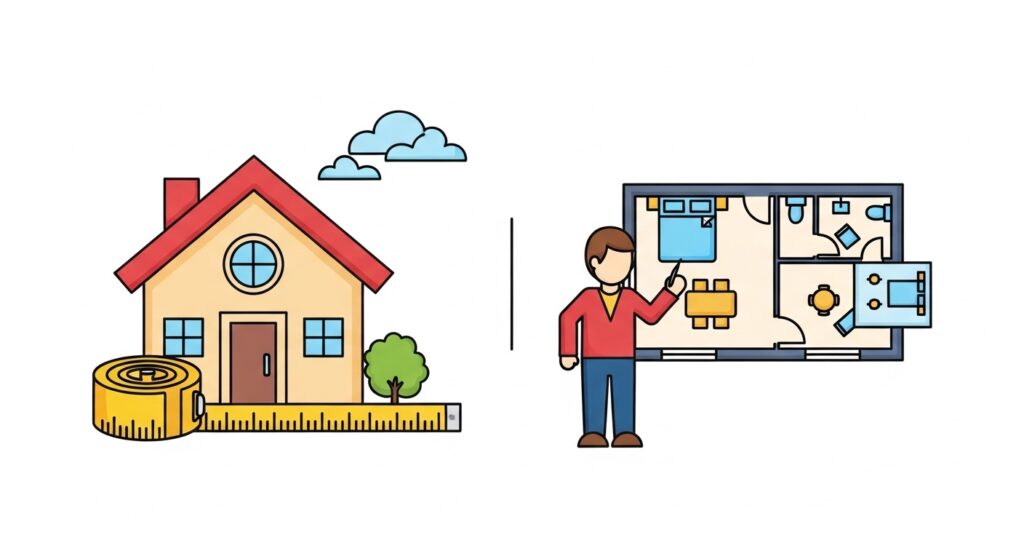
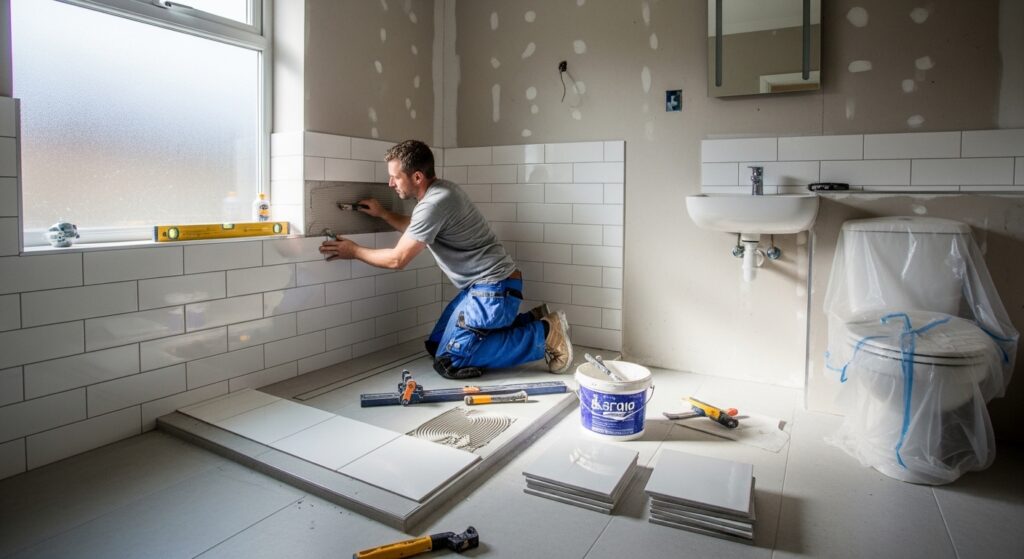
Adapting a home for disability or reduced mobility can be expensive. Installing a walk-in shower, widening doorways, or adding ramps often costs thousands of pounds.
The Disabled Facilities Grant (DFG) exists to help eligible households cover these costs.
If you or someone in your home has a disability and struggles with everyday tasks, you may qualify for financial support.
This guide explains who qualifies, how much you can get, and how to apply step by step.
What Is the Disabled Facilities Grant?
The Disabled Facilities Grant is a government-funded scheme that helps pay for essential home adaptations.
It is administered by your local council.
The grant helps people remain living safely and independently in their own homes.
What Can the Grant Pay For?
The DFG covers adaptations considered necessary and appropriate.
This may include:
- Installing a level-access shower
- Removing a bath
- Widening doorways
- Building wheelchair ramps
- Stairlifts
- Improving access to rooms
- Adapting heating or lighting controls
- Creating ground-floor bedroom or bathroom
The key requirement is that the adaptation must directly relate to disability needs.
How Much Can You Get?
In England, the maximum grant is:
- Up to £30,000
In Wales:
- Up to £36,000
In Northern Ireland:
- Up to £25,000
In Scotland, support is delivered through a different system called Scheme of Assistance.
The exact amount awarded depends on assessed needs and costs.
Who Is Eligible?
To qualify:
- You must have a disability (physical or mental)
- The property must be your main residence
- The adaptation must be necessary and appropriate
- The work must be reasonable and practical
You can apply if you are:
- A homeowner
- A private tenant
- A housing association tenant
Landlord permission is required for tenants.
Is the Grant Means-Tested?
For adults, yes.
The council will assess:
- Household income
- Savings
- Benefits
- Partner’s income
Disabled children are not subject to means testing.
Even if means-tested, many households still receive partial or full funding.
Step-by-Step: How to Apply
Step 1: Contact Your Local Council
Search online for your council’s housing adaptations team or adult social care department.
Request a Disabled Facilities Grant assessment.
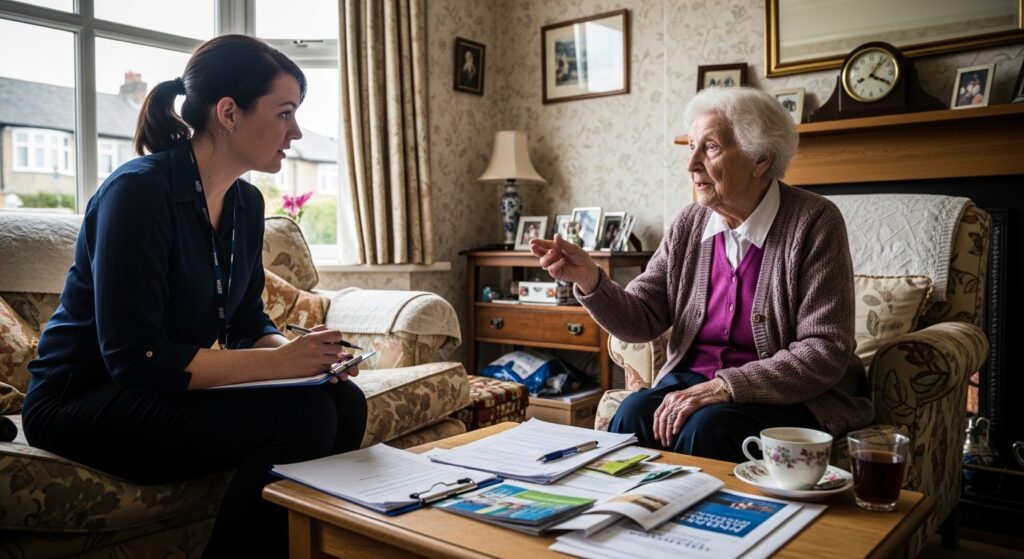
Step 2: Occupational Therapy Assessment
An occupational therapist (OT) will:
- Visit your home
- Assess mobility challenges
- Identify necessary adaptations
- Provide written recommendations
This step is essential. You cannot skip it.
Step 3: Financial Assessment
If required, the council will complete a means test.
You may need to provide:
- Payslips
- Bank statements
- Benefit details
Be honest and provide full documentation.
Step 4: Obtain Quotes
The council may:
- Recommend approved contractors
- Ask you to get multiple quotes
Do not begin work before formal approval.
Starting early can invalidate your grant.
Step 5: Grant Approval
Once approved:
- You receive a formal award letter
- Work can begin
- Payments are usually made directly to contractors
Approval timelines vary by council.
How Long Does the Process Take?
Typical timeframe:
- Assessment waiting time: 4 to 12 weeks
- Financial review: 2 to 6 weeks
- Approval decision: Up to 6 months from valid application
Some councils process faster. Others may have backlogs.
Apply early if possible.
Do You Have to Repay the Grant?
In most cases, no.
However:
- If the property is sold within 10 years
- And the grant exceeded £5,000
- The council may request partial repayment
Repayment conditions vary.
Always check terms before accepting the grant.
What If Your Application Is Refused?
If refused, you can:
- Request a written explanation
- Ask for reassessment
- Submit a formal complaint
- Seek independent advice
Sometimes adjustments to the proposal resolve the issue.
Can You Choose Your Own Contractor?
Often yes, but councils may prefer approved providers.
Using experienced contractors familiar with DFG projects reduces delays and compliance issues.
Always confirm before signing contracts.
Common Mistakes to Avoid
- Starting work before approval
- Underestimating costs
- Failing to provide financial documents
- Not checking landlord permission
- Ignoring written recommendations
Patience is important. The process can feel slow, but skipping steps causes bigger delays.
Tips to Improve Your Application
- Be clear about daily challenges
- Provide medical evidence if available
- Keep copies of all documents
- Respond quickly to council requests
- Follow up politely if delays occur
The clearer your needs are, the smoother the process.
Alternatives If You Do Not Qualify
If you are not eligible, consider:
- Local charitable grants
- Home improvement loans
- Council discretionary funding
- Smaller phased adaptations
Even partial funding can reduce overall cost.
Is It Worth Applying?
If your home requires structural adaptation due to disability, absolutely.
The grant can:
- Save thousands of pounds
- Improve safety
- Extend independent living
- Reduce hospital admissions
Many households delay applying because they assume they won’t qualify. It is always worth checking.
Final Thoughts
Home adaptations are not luxuries. For many people, they are essential for safe daily living.
The Disabled Facilities Grant exists to support those needs.
While the process can take time, the financial support available can make a life-changing difference.
If mobility challenges are increasing, contact your local council and begin the assessment process.
Disclaimer
This article is for general informational purposes only and does not constitute legal or financial advice. Grant rules and funding limits may change. Always confirm details with your local authority. FreedomMove may earn commission from affiliate links where applicable.