
Paying council tax can be a financial burden, especially for individuals with disabilities who may have additional expenses. The Council Tax Reduction (CTR) for disabled people is a government-supported program designed to reduce council tax payments for eligible residents. Understanding eligibility, the application process, and available benefits can help save money while ensuring compliance with local regulations.
This comprehensive guide explains who qualifies, how to apply, documents required, calculation methods, and tips for maximising your council tax reduction in 2026.
What is Council Tax Reduction for Disability?
Council Tax Reduction is a discount or exemption offered by local councils in England, Scotland, Wales, and Northern Ireland to help low-income individuals, seniors, and people with disabilities reduce their council tax liability.
For disabled residents, CTR provides financial relief by either reducing the amount payable or offering full exemption in specific cases.
Key Facts
- Administered locally by your borough or county council
- Eligibility depends on disability status, income, and household circumstances
- Can be combined with other financial support like Universal Credit or Attendance Allowance
Who Qualifies for Disability Council Tax Reduction?
Eligibility for CTR for disability typically falls into the following categories:
1. Disability-Based Exemptions
You may qualify if:
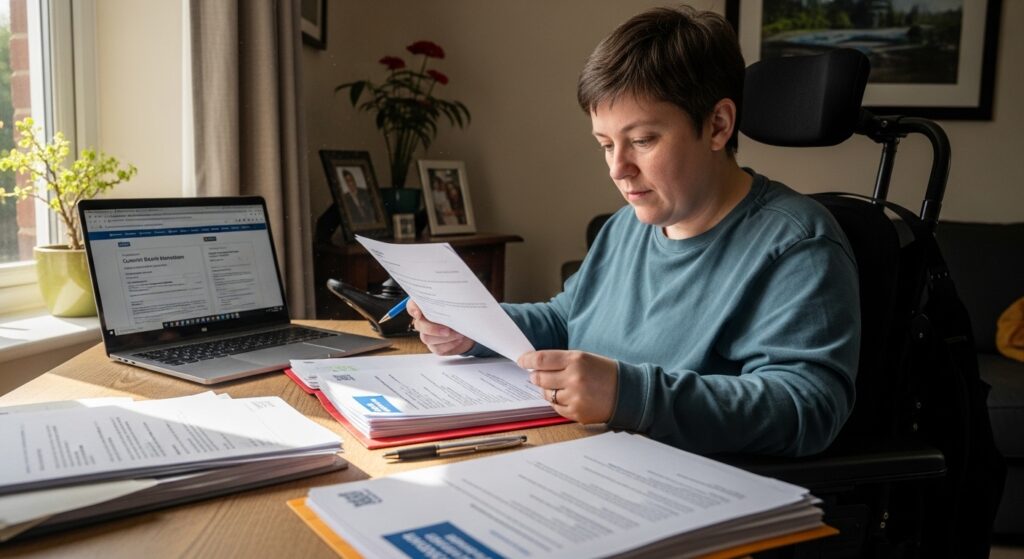
- You, or someone living with you, have a severe disability
- You require special facilities at home due to disability, such as:
- Extra bathroom or kitchen facilities
- Wheelchair access
- Adapted heating or lighting systems
- Extra bathroom or kitchen facilities
Note: The presence of a disabled resident in the household can sometimes reduce council tax for all occupants.
2. Income and Benefit-Based Eligibility
Local councils also consider financial circumstances:
- Receiving Income Support, Jobseeker’s Allowance, Universal Credit, or Employment Support Allowance
- Low-income pensioners may also qualify
- Proof of financial hardship may be required in some councils
3. Property Considerations
Certain properties may qualify automatically:
- Single-occupancy households with a disabled resident
- Properties with adaptations for disabled use
- Homes where the disabled resident requires continuous care

How Much Reduction Can You Get?
The amount of CTR varies depending on:
- Your income and savings
- Council policies – Each local council sets its own reduction formula
- Disability status – Severe disabilities may result in full exemption or a higher reduction
Example:
- A council tax bill of £1,500 per year
- CTR may reduce this by 25% to 100% depending on eligibility and council rules
Tip: Always check with your local council website for specific calculations.
Step-by-Step Guide to Applying for Council Tax Reduction
Step 1 – Gather Required Documents
Prepare the following:
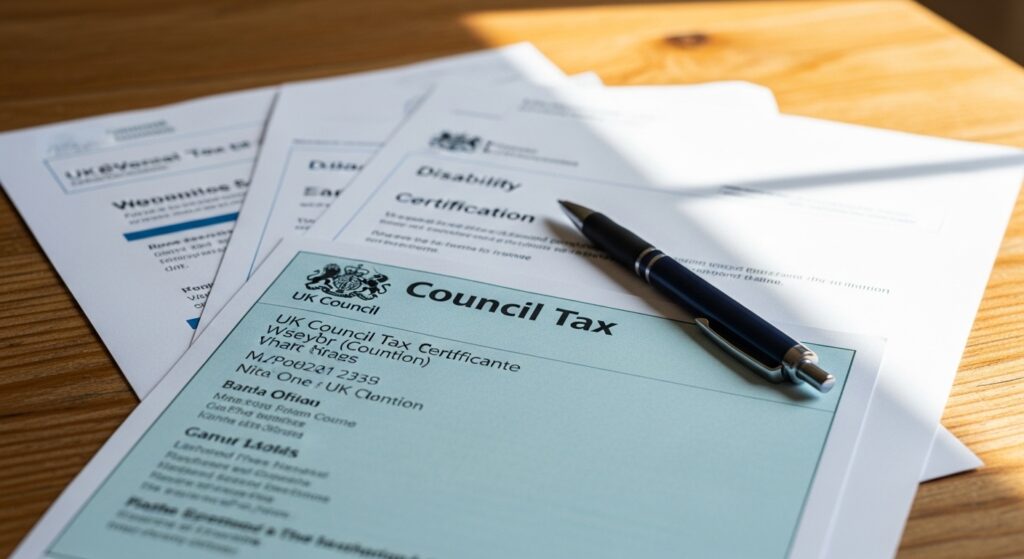
- Proof of disability (doctor’s letter, medical certificate)
- Recent council tax bill
- Proof of income or benefits
- Household details (names, ages, and relationships of occupants)
Step 2 – Check Your Local Council Guidelines
Each council may have different forms, deadlines, and eligibility criteria. Visit your council’s website or contact their CTR office for accurate guidance.
Step 3 – Complete the Application Form
- Online: Most councils offer a digital application for convenience
- Paper: Some councils require printed forms to be mailed or submitted in person
Step 4 – Submit Documentation
Include all supporting documents, such as:
- Disability certification
- Benefit letters
- Proof of residence
Step 5 – Await Council Decision
- Councils typically process applications within 4–6 weeks
- You will receive a formal notice of reduction or exemption amount
Step 6 – Appeal if Denied
If your application is refused, you can:
- Request mandatory reconsideration
- Provide additional medical evidence or financial documentation
Common Mistakes to Avoid
- Submitting incomplete documents – Always attach all necessary proof
- Missing deadlines – Check council deadlines for the financial year
- Not updating information – Changes in income, household members, or disability status must be reported
- Assuming automatic approval – Eligibility must be confirmed by your council
Practical Tips for Maximising CTR
- Combine with other benefits: PIP, Attendance Allowance, and Universal Credit may impact eligibility
- Keep records: Maintain copies of applications and correspondence
- Seek advice: Citizens Advice Bureau or local disability organisations can help navigate complex cases
- Check annually: Some councils require yearly renewal or reassessment
Links For More Information
FreedomMove can provide readers with practical resources:
- Council guidance links – Direct users to official local council pages
- Financial advisory services
- Ramps,
- Stairlifts,
- Bathroom modifications
Affiliate Disclaimer: Some links may earn FreedomMove a commission, but all recommendations are based on real usability and verified information.
Final Thoughts
Council Tax Reduction for disability is an essential support mechanism that can significantly reduce the financial burden for disabled residents in the UK. By understanding eligibility, preparing proper documentation, and submitting accurate applications, residents can access the full benefits they deserve.
Always consult official council guidelines and consider professional advice if needed.
Disclaimer
This article is for informational purposes only. Rules and eligibility may vary by council and are subject to change. Always verify details through your local council before applying. FreedomMove may include affiliate links for convenience and practical support.