
Introduction
Studying with a disability or long-term health condition in the UK can come with challenges, but the Disabled Students Allowance (DSA) is designed to provide financial and practical support to help you succeed. Whether you need assistive technology, specialized equipment, or personal support, understanding DSA eligibility and how to apply is essential. This guide explains every step of the process in 2026, ensuring you have the information you need to make the most of this government support.
What is Disabled Students Allowance (DSA)?
The Disabled Students Allowance is a financial support program offered by the UK government to higher education students with disabilities, mental health conditions, or long-term illnesses. Unlike loans, DSA does not need to be repaid. It can help cover costs related to:
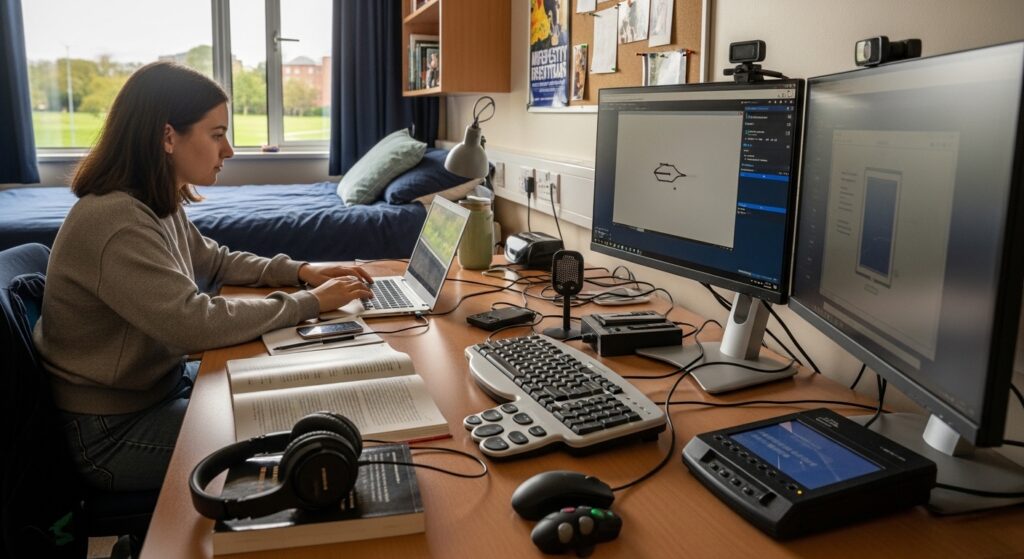
- Specialist equipment such as laptops, software, or recording devices
- Non-medical personal support (e.g., note-takers, study assistants)
- Travel costs related to accessing campus or attending classes
- Additional disability-related costs incurred during your studies
The allowance ensures that all students, regardless of physical or mental challenges, have equal opportunities to succeed in their education.
Who Can Claim DSA? (Eligibility Criteria)
To qualify for DSA, students must:
- Be enrolled on a higher education course in the UK (undergraduate, postgraduate, or certain professional courses).
- Have a disability, long-term health condition, mental health condition, or specific learning difficulty such as dyslexia.
- Provide evidence of their condition through a medical diagnosis or assessment.
- Be eligible for Student Finance in England, Scotland, Wales, or Northern Ireland.
It’s important to note that DSA eligibility is independent of your household income. Even if you receive other student loans or grants, you can still claim DSA.
What Costs Can DSA Cover?
DSA is designed to remove barriers that a disability may create during studies. Some of the costs that DSA can cover include:
- Assistive Technology: Laptops, software like screen readers, voice recognition software, or specialized study equipment.
- Specialist Equipment: Ergonomic chairs, adapted keyboards, or recording devices for lectures.
- Non-Medical Personal Support: Study skills tutors, note-takers, or mentors to assist with learning.
- Travel Support: Additional travel costs between home and campus if your disability makes normal travel difficult.
- Other Disability-Related Expenses: Any reasonable costs directly related to your disability while studying.
Step-by-Step Guide to Apply for DSA (2026)
Step 1: Get Your Student Finance Application Approved
Before applying for DSA, you must have an approved application with your Student Finance body (England, Scotland, Wales, or Northern Ireland).
- England: Student Finance England
- Scotland: SAAS
- Wales: Student Finance Wales
- Northern Ireland: Student Finance NI
Make sure your personal and course details are complete and verified.
Step 2: Submit a DSA Assessment Request
Once your main student finance application is approved, you can request a DSA needs assessment.
- Contact your Student Finance body to inform them of your disability or condition.
- They may ask for supporting evidence, including medical letters, psychological assessments, or specialist reports.
- Ensure your documents are up-to-date and accurate, as missing information can delay the process.
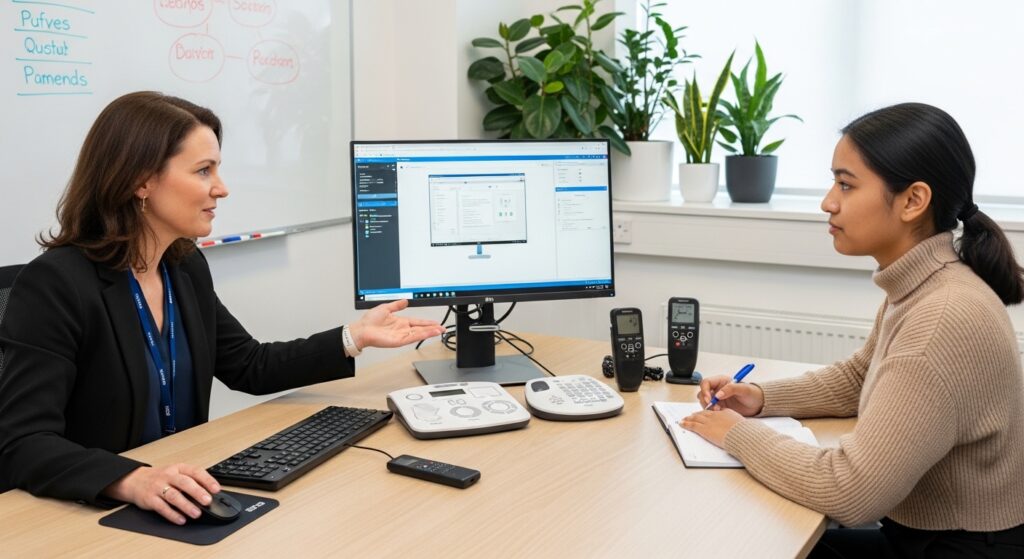
Step 3: Attend the Needs Assessment
A DSA needs assessment will determine what support is required for your studies.
- Conducted by an approved DSA assessment centre.
- Discuss challenges and how your disability impacts studying.
- Recommendations may include equipment, personal support, or study aids.
- Bring any relevant documents, course details, and information on how your disability affects learning.
Step 4: Receive Your DSA Approval Letter
After the assessment:
- The Student Finance body will issue a DSA approval letter.
- This letter outlines which equipment, services, and funding you are eligible for.
- Keep this document safe, as you’ll need it when ordering equipment or arranging support.
Step 5: Organize Equipment and Support
Once approved:
- Order specialist equipment through approved suppliers or DSA centres.
- Arrange non-medical personal support such as study assistants or note-takers.
- Ensure that any payments or reimbursements follow the DSA guidance.
Step 6: Ongoing Support and Updates
DSA funding is not a one-time allocation:
- Regularly review your needs, especially if your condition changes or your course requirements evolve.
- Contact your Student Finance body for adjustments to support or additional funding if necessary.
Common Mistakes to Avoid
- Delaying your application – Apply early to avoid delays in receiving equipment or support.
- Incomplete documentation – Provide all medical reports, assessments, and course details.
- Ignoring changes in circumstances – Inform Student Finance if your condition worsens or you need extra support.
- Not using approved suppliers – Only use DSA-approved centres for equipment or services.
Tips to Maximise Your DSA Benefits
- Discuss your needs honestly during the assessment to ensure you receive appropriate support.
- Keep receipts and invoices for any equipment or services purchased.
- Stay in regular contact with your DSA coordinator at your university.
- Plan ahead for replacement equipment or software upgrades.
For more useful information
- For financial guidance, link: Carer’s Allowance UK
- For additional benefits: Attendance Allowance UK
- For mobility equipment: Best Mobility Scooters in the UK
Disclaimer
This article is for informational purposes only. Always confirm details with official Student Finance guidance before applying for DSA. We do not guarantee approval, and individual circumstances may vary.
Pingback: How to Claim Disabled Students Allowance (DSA) in the UK – Complete Guide 2026 - FreedomMove.co.uk