
Blue Badges are widely known for helping people with visible mobility issues. However, many people with hidden disabilities, such as chronic illnesses, neurological conditions, or mental health challenges, are also eligible. This guide explains how to apply, who qualifies, and what to expect in the UK for 2026.
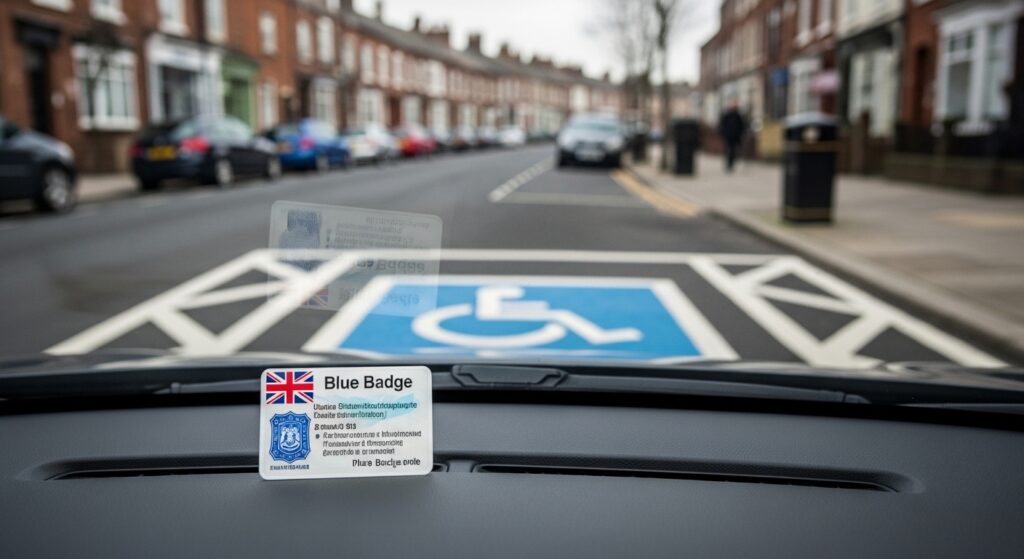
What Is a Blue Badge?
A Blue Badge is a government-issued permit that allows people with disabilities to park closer to shops, medical centres, and essential facilities. While it’s often associated with wheelchair users, the scheme also supports those with less visible disabilities, giving them independence and accessibility in everyday life.
Who Qualifies for a Blue Badge with Hidden Disabilities?
Eligibility for a Blue Badge in the UK now includes both visible and hidden disabilities. Applicants may qualify if they meet one of the following criteria:
- Severe walking difficulties due to chronic illness, neurological conditions, or respiratory issues.
- Non-visible disabilities that significantly impact mobility, such as ME/CFS, fibromyalgia, or severe mental health conditions.
- Cognitive impairments or autism that make navigating parking areas unsafe.
- Regular need for a carer due to difficulty in independent movement.
Local councils assess applications individually, so supporting medical evidence is essential.
How to Apply for a Blue Badge in the UK (Step-by-Step)
Step 1: Check Eligibility
- Visit your local council’s website to confirm hidden disability criteria.
- Review the list of qualifying conditions, which may vary slightly between councils.
Step 2: Gather Required Documents
- Proof of identity: Passport, driving licence, or official ID.
- Medical evidence: Letters from GPs, specialists, or hospital consultants.
- Evidence of mobility issues: Notes on difficulty walking, frequent fatigue, or need for assistance.
Step 3: Complete the Application
- Applications can be submitted online via your council’s portal or by post using a printed form.
- Provide accurate details about your condition, mobility challenges, and daily difficulties.
Step 4: Submit Supporting Evidence
- Attach all medical documents and letters clearly stating your diagnosis and limitations.
- Highlight specific situations where parking close to essential locations is necessary.
Step 5: Assessment and Decision
- Some councils may request an in-person assessment.
- Expect a decision within 6–12 weeks, depending on council workload.
Step 6: Receive and Use Your Blue Badge
- Once approved, your Blue Badge is valid for 3 years for adults or less for children.
- Display it clearly when parking in designated bays to avoid fines.
- Remember that misuse can result in penalties.
Tips for Hidden Disabilities Applicants
- Be detailed: Describe real-life scenarios where mobility is affected.
- Include professional support letters: GP or specialist letters strengthen applications.
- Use council resources: Many councils provide guidance forms specifically for hidden disabilities.
- Keep copies: Always keep a copy of your application and supporting documents.
- Renew on time: Set reminders as Blue Badges are not automatically renewed.
Common Challenges & How to Overcome Them
- Councils rejecting applications: Appeal with additional medical evidence.
- Delays in processing: Contact your council for status updates.
- Hidden disability misunderstandings: Provide a clear, concise explanation of daily mobility challenges.
Conclusion
Blue Badges play a vital role in improving independence and accessibility for people with hidden disabilities. By understanding eligibility, preparing supporting evidence, and following the application process carefully, UK residents can successfully obtain a Blue Badge in 2026. This allows safe, convenient parking and greater freedom in everyday activities, empowering people to maintain independence despite invisible mobility challenges.