
Introduction
The Motability Scheme helps disabled people in the UK lease a car, scooter, or powered wheelchair using their qualifying mobility benefit. For many families, it provides independence, access to work, healthcare, and everyday life without the financial burden of buying and maintaining a vehicle outright.
This complete 2026 guide explains:
- Who qualifies for the Motability Scheme
- Which benefits are accepted
- How the leasing process works
- What’s included in the package
- Common mistakes to avoid
- How to apply step by step
All information is aligned with official UK guidance.
Focus Keyword: Motability Scheme UK
Secondary Keywords: Motability car eligibility, how to apply for Motability car
What Is the Motability Scheme?
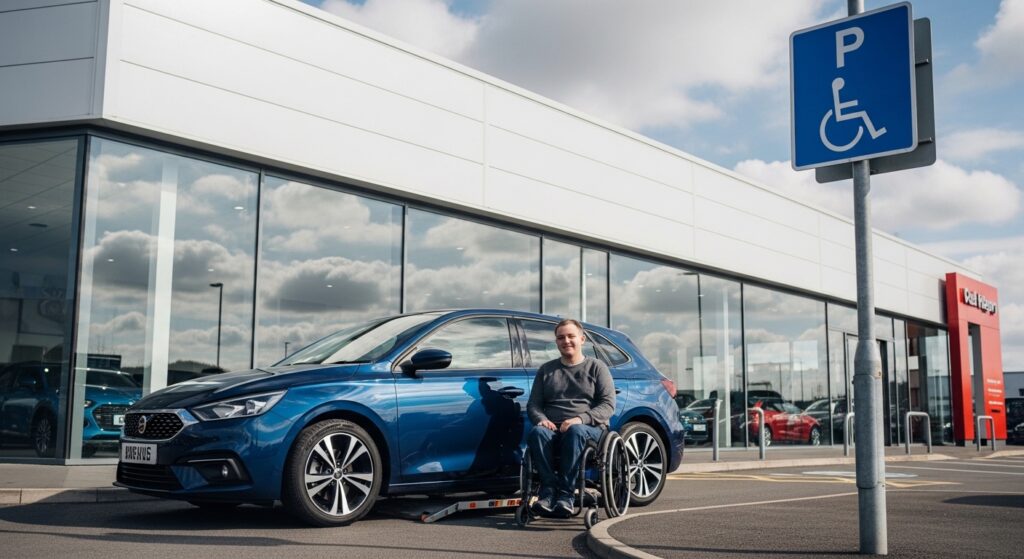
The Motability Scheme allows eligible individuals to exchange their mobility allowance for a leased vehicle. Instead of receiving the mobility payment directly, it is paid to Motability Operations to cover the cost of the lease.
The scheme includes:
- Brand-new car every 3 years
- Insurance
- Servicing and maintenance
- Breakdown cover
- Road tax
- Tyre replacement
This all-inclusive structure makes budgeting easier for people with disabilities.
Official reference: GOV.UK – Motability Scheme guidance.
2. Who Is Eligible?
To qualify for the Motability Scheme in 2026, you must receive one of the following:
- Enhanced Rate Mobility Component of PIP
- Higher Rate Mobility Component of DLA
- War Pensioners’ Mobility Supplement
- Armed Forces Independence Payment (mobility component)
You must also have at least 12 months remaining on your mobility award.
Internal linking suggestion:
- Link to your PIP Assessment Tips article
- Link to your Attendance Allowance guide (clarify that Attendance Allowance does NOT qualify for Motability)
Important clarification:
Attendance Allowance alone does not qualify someone for the Motability Scheme because it does not include a mobility component.
What Vehicles Are Available?
The Motability car list changes quarterly. It includes:
- Small city cars
- Family hatchbacks
- SUVs
- Automatic and manual vehicles
- Electric and hybrid cars
- Wheelchair Accessible Vehicles (WAVs)
Some vehicles require an Advance Payment, while others are available with no upfront cost.
Factors that influence advance payment:
- Vehicle size
- Engine type
- Adaptations
- Demand
What Is Included in the Lease?
One of the biggest advantages of the Motability Scheme is what’s included:
- Fully comprehensive insurance (up to 3 named drivers)
- Servicing and maintenance
- Breakdown cover (usually RAC)
- Road tax
- Replacement tyres
- Windscreen repair
- 60,000 mileage allowance over 3 years (standard lease)
This reduces unexpected car expenses.
Step-by-Step: How to Apply
Step 1: Check Eligibility
Confirm you receive one of the qualifying mobility benefits and have at least 12 months left.
Step 2: Choose a Vehicle
Visit a Motability dealership. Bring:
- Driving licence
- Proof of address
- Award letter
- National Insurance number
You can test drive vehicles before choosing.
Step 3: Discuss Adaptations (If Needed)
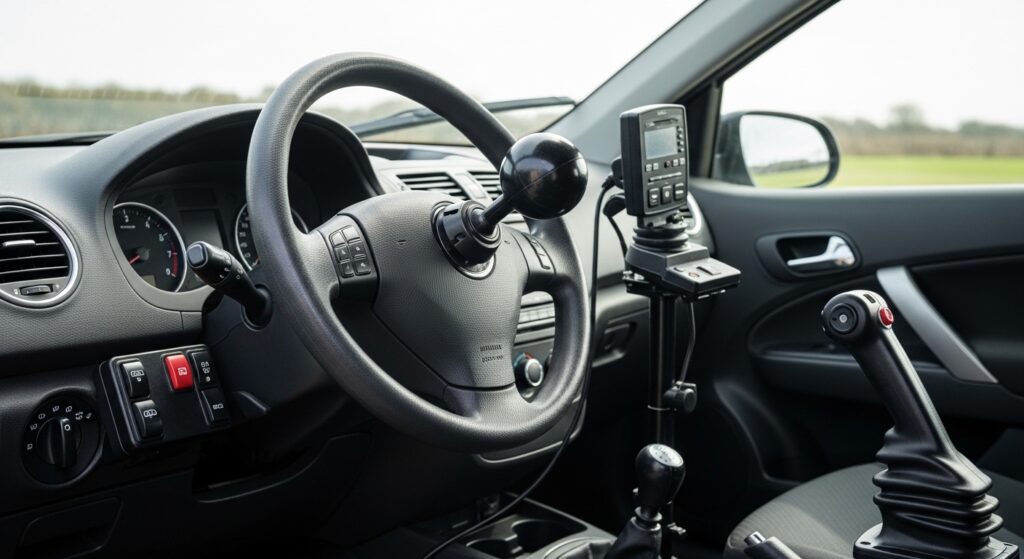
Common adaptations include:
- Hand controls
- Steering aids
- Swivel seats
- Wheelchair hoists
Some basic adaptations are free if fitted at the start of the lease.
Step 4: Sign Agreement
Once signed:
- Delivery usually takes a few weeks
- Insurance is activated automatically
- Your mobility payment is redirected
Can Someone Else Drive the Car?
Yes.
Up to 3 named drivers can be insured under the scheme. This is helpful for:
- Parents of disabled children
- Carers
- Family members
The vehicle must be used primarily for the benefit of the disabled person.
What Happens at the End of the Lease?
After 3 years:
- You return the car
- You can choose a new vehicle
- If the car is in good condition and within mileage limits, you may receive a Good Condition Bonus
The scheme is designed to provide long-term mobility support.
Common Mistakes to Avoid
- Assuming standard PIP mobility qualifies (it must be enhanced rate)
- Not checking how much award time remains
- Choosing a vehicle without considering long-term needs
- Ignoring mileage limits
- Forgetting to report benefit changes to Motability
Real-Life Example
Sophie receives Enhanced Rate Mobility PIP due to multiple sclerosis. She struggled with unreliable public transport.
After joining the Motability Scheme:
- She leased a small automatic car
- Insurance and servicing were included
- Her partner became a named driver
- She gained independence for hospital visits and work
The scheme significantly improved her quality of life.
Motability vs Buying a Car
Motability may be better if:
- You want predictable monthly costs
- You cannot afford upfront purchase
- You need adaptations
- You prefer a new car every 3 years
Buying may be better if:
- You want to keep a vehicle long term
- You drive very high mileage
- You receive lower mobility benefits
Interaction With Other Benefits
Receiving a Motability vehicle does not affect:
- Universal Credit (except mobility element exchange)
- ESA
- Attendance Allowance
Summary
The Motability Scheme UK provides:
- Accessible transport
- Predictable costs
- Insurance and servicing included
- Adaptations for disability needs
Eligibility depends on receiving the correct mobility benefit at the enhanced rate.
For many disabled people, the scheme offers independence and financial predictability that would otherwise be difficult to achieve.
Disclaimer
This article is for informational purposes only and reflects UK guidance as of 2026. Always confirm eligibility and current vehicle lists through official Motability and GOV.UK sources. This content does not constitute financial or legal advice.