
Introduction
The Personal Independence Payment (PIP) assessment is a key step in claiming financial support for people with long-term disabilities or health conditions in the UK. Many applicants feel nervous or unsure about what to expect, paperwork requirements, or how to communicate their limitations effectively.
This guide provides step-by-step PIP assessment tips, including preparation advice, what to bring, how the process works, and strategies to maximize your chances of a successful claim.
Focus Keyword: PIP assessment tips
Secondary Keyword: PIP health assessment UK

Understanding the PIP Assessment
PIP is awarded to individuals who need help with daily living tasks or mobility due to health conditions or disabilities. The assessment determines eligibility and whether you qualify for:
- Daily Living Component
- Mobility Component
Assessment Outcomes:
- Standard rate – For moderate support needs
- Enhanced rate – For severe needs
Link to How to Apply for PIP in the UK for detailed claim guidance
Preparing for the PIP Assessment
Step 1: Gather Medical Evidence
- GP letters
- Hospital reports
- Specialist assessments
- Therapy or care plans
Tip: Include details about how your condition affects daily life, not just medical diagnoses.
Step 2: Complete the PIP Form (PIP2)
- Provide detailed examples for each question
- Describe daily challenges, not just limitations
- Explain frequency, severity, and impact of difficulties
Example:
Instead of “I have difficulty walking,” write: “I can walk 20 meters before needing to stop. I use a walking aid, and uneven surfaces increase my risk of falling.”
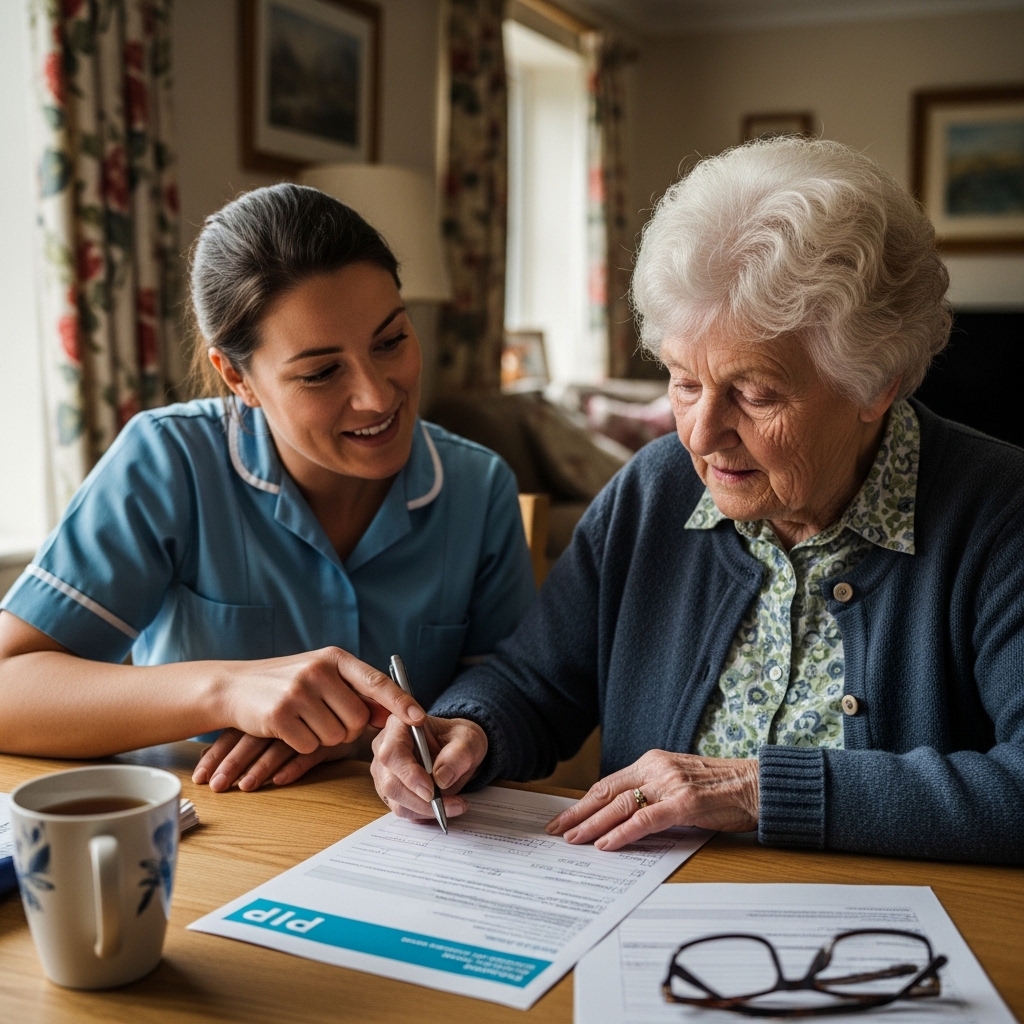
Day of the Assessment
- Usually conducted at a healthcare assessment centre, or sometimes at home
- A PIP assessor (trained health professional) will review your form and ask questions
- Focus on honesty, detail, and examples
- Bring supporting documents, list of medications, and any adaptive equipment
Tip: Dress comfortably, arrive early, and keep a calm mindset.
Common Mistakes to Avoid
- Vague answers: Avoid short or general statements
- Underestimating difficulties: Be realistic about daily limitations
- Not mentioning safety risks: Highlight falls, accidents, or need for supervision
- Ignoring mental health effects: PIP also considers psychological conditions
After the Assessment
- You will receive a decision letter from the DWP
- Includes component awarded, rate, and effective date
- Decisions usually take 2–4 weeks after assessment
If Refused or Lower Rate
- Request Mandatory Reconsideration within 1 month
- Provide additional evidence or corrections
- If still refused, appeal to a Social Security Tribunal
Real-life experience shows that providing a daily life diary and detailed evidence often results in a positive decision on reconsideration.
Tips for a Strong Assessment
- Keep a daily diary of tasks and difficulties
- Take photos of home adaptations or mobility aids if relevant
- Include caregiver statements for additional support
- Explain the impact of mental and physical fatigue on daily life
- Highlight safety and mobility risks, even for minor tasks
Interaction With Other Benefits
Receiving PIP can influence or complement other support:
- Attendance Allowance: For those over 65, PIP may interact with Attendance Allowance
- Motability Scheme: PIP mobility component can qualify you to lease a vehicle
- Universal Credit / ESA: Disability elements may overlap
Preparing Mentally and Practically
- Take someone supportive to the assessment if allowed
- Practice explaining daily struggles concisely but with examples
- Understand that assessors follow strict guidelines, not personal opinions
Example:
Anna, diagnosed with multiple sclerosis, kept a diary detailing her daily living challenges. She included fatigue, medication schedules, mobility limitations, and caregiver support. This preparation helped her achieve the enhanced rate for both components.
Summary
The PIP assessment can feel daunting, but preparation is key.
- Gather medical evidence
- Complete PIP forms with detailed examples
- Attend assessment honestly and calmly
- Keep a daily life diary
- Submit mandatory reconsideration if needed
Following these steps ensures you maximize your chances of a successful claim, helping cover costs related to disability, mobility, and daily living support in the UK.
Disclaimer
Disclaimer:
This article provides general guidance only. All information is based on official UK government sources as of 2026. Always verify eligibility, assessment process, and payment rates via GOV.UK. This guide does not constitute legal, financial, or medical advice.