

Mental health is a vital component of overall wellbeing, especially for students with disabilities. Balancing studies, social life, and personal challenges can be overwhelming, and accessing the right support services can make a huge difference. This 2026 guide provides a comprehensive look at mental health support services in the UK, how to access them, funding options, and practical strategies for students with disabilities.
Why Mental Health Support is Critical for Disabled Students
Students with disabilities often face unique stressors:
- Physical accessibility challenges on campus
- Learning difficulties or additional study needs
- Social anxiety or isolation due to visible or hidden disabilities
- Chronic illness or long-term medical conditions affecting daily life
These factors can contribute to stress, depression, anxiety, or burnout. Effective mental health support not only improves academic performance but also enhances personal wellbeing and social engagement.
According to the NHS Mental Health Statistics 2026, students with disabilities report higher rates of anxiety and depression compared to their non-disabled peers.

Main Mental Health Support Services in the UK
1. University Disability & Counselling Services
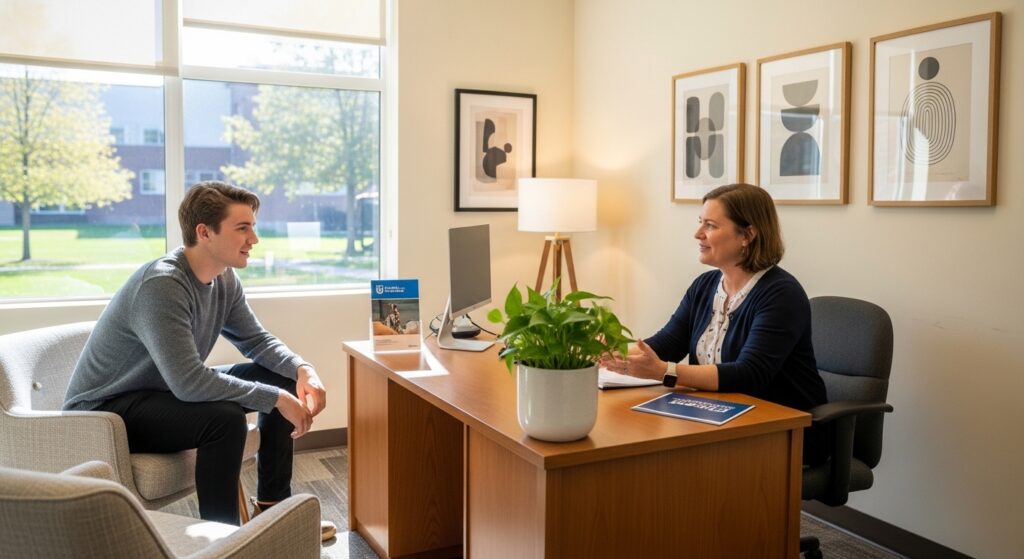
Most universities in the UK offer dedicated support for disabled students, combining both academic accommodations and mental health services.
Services often include:
- One-on-one counselling sessions with qualified therapists
- Peer support programs for students with similar experiences
- Study accommodations like extended deadlines or quiet exam rooms
- Crisis intervention and referral services
Tips:
- Contact your university’s Student Support Services early to understand available resources.
- Register your disability formally to access DSA funding for counselling or mentoring.
Internal link: How to Claim Disabled Students Allowance (DSA) in the UK – 2026 Guide
2. NHS Mental Health Services
The National Health Service (NHS) offers free mental health support for UK residents, including students. Depending on your location and needs, you may access:
- Talking Therapies (IAPT): Cognitive Behavioral Therapy (CBT), counselling, stress management
- Community Mental Health Teams: Long-term support for severe mental health conditions
- Crisis helplines and urgent care services: Available 24/7
Access Tips:
- Register with a local GP to get referrals for specialist services
- Use online self-referral portals for IAPT programs
- Plan ahead as waiting lists can vary from a few days to several weeks
Internal link: Disability-Friendly UK Universities – 2026 Guide
3. Charities and Non-Profit Organisations
Several UK charities provide mental health support specifically for disabled students, often free or low-cost:
- Mind: Offers counselling, advocacy, and online resources
- Rethink Mental Illness: Peer support, workshops, and community programs
- Student Minds: University-based initiatives focusing on student mental health
Benefits:
- Peer mentorship and social connection
- Specialized support for chronic conditions or learning disabilities
- Access to workshops and online webinars
Many charities also provide guidance on accessing DSA funding for mental health support.
4. Private Therapy and Online Counselling
Some students prefer flexible private counselling sessions. Options include:
- Private therapists registered with the UK Counselling Directory
- Online therapy platforms like BetterHelp UK or Talkspace UK
Funding Tip: Some private sessions may be reimbursed using DSA funding if they are related to your disability.
5. Digital Tools and Apps for Mental Health
Technology can provide additional support:
- Headspace – Mindfulness and meditation for stress relief
- Calm – Guided relaxation exercises
- Moodfit – Mood tracking and mental health exercises
- MentallyFit – Cognitive support for students with ADHD, autism, or learning difficulties
Using apps alongside counselling can improve self-management of anxiety, stress, and focus.
How to Access Mental Health Support Services
- Register with your university’s disability support team – provide necessary documentation
- Book counselling sessions early – slots often fill quickly
- Explore NHS services – contact your GP or use online self-referral
- Check charity and non-profit programs – some require UK residency
- Use DSA funding – for mentoring, counselling, or therapy
- Leverage digital apps – for ongoing mental health self-care
Tips for Students with Disabilities
- Create a personal mental health plan alongside your study timetable
- Join peer support groups to reduce social isolation
- Keep a log of triggers and symptoms to share with your therapist
- Combine academic accommodations with mental health strategies for best results
- Seek help early, before stress or anxiety escalate
Real-Life Case Examples
Case 1: Sarah, a student with autism at University of Manchester, used DSA funding to hire a mental health mentor. She combined this with counselling sessions through her university, which helped her manage exam anxiety.
Case 2: James, a wheelchair user with chronic pain, accessed NHS talking therapies and a local Mind peer support group. This combination improved his academic focus and reduced feelings of isolation.
Case 3: A group of international students with learning disabilities joined a Student Minds university program, offering workshops and mentorship. They reported improved confidence and coping strategies.
Real-life examples make the guide actionable and relatable for students reading it.
Funding Mental Health Support
DSA Funding (Disabled Students Allowance 2026):
- Can cover specialist mentoring, counselling, or study support related to mental health
- Available to UK and EU students (subject to residency requirements)
- Apply through your university disability office
Other funding sources:
- University bursaries for disabled students
- Charitable grants
- NHS programs
Coping Strategies and Daily Habits
- Practice mindfulness and meditation
- Schedule regular breaks between study sessions
- Engage in physical activity to reduce stress
- Build a support network with peers and mentors
- Keep a consistent sleep schedule
FAQs
Q1: Are mental health services free for students with disabilities?
Yes, NHS and university counselling services are usually free. Private sessions may cost, but DSA funding can sometimes cover expenses.
Q2: Can international students access these services?
Yes, if registered with the university or NHS. Charity programs may have UK residency requirements.
Q3: How long does it take to get support?
University counselling often has 1–4 week waiting lists. NHS community services can take longer.
Q4: Is DSA funding available for mental health support?
Yes, for mentoring, counselling, and study support related to mental health conditions.
Q5: Can digital apps replace professional support?
No, apps are supplementary tools. Professional counselling should remain the primary support source.