
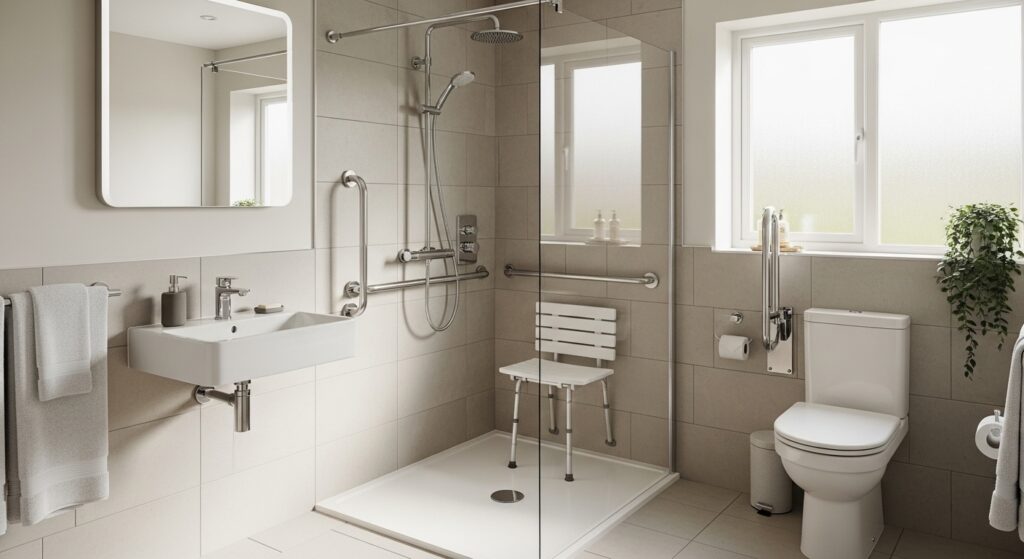
For many disabled people in the UK, the biggest challenges are not outside — they are inside their own homes.
A staircase that can no longer be climbed. A bathroom that has become unsafe. A front entrance that turns a simple trip outside into a daily struggle.
The reality is that most homes are not designed with accessibility in mind. But there is support available.
The Disabled Facilities Grant (DFG) is a government-funded scheme that helps cover the cost of essential home adaptations — often fully funded. From stairlifts and ramps to full wet room conversions, the DFG can make your home safer, more accessible, and easier to live in.
This 2026 guide explains exactly how it works, who qualifies, what it covers, and how to apply successfully.
What Is the Disabled Facilities Grant?
The Disabled Facilities Grant (DFG) is a legal entitlement provided by local councils across the UK. It helps disabled people pay for essential home adaptations that allow them to live independently and safely.
The scheme is funded by central government and delivered through local authorities. What makes it important is that it is a mandatory grant. This means if you meet the eligibility criteria, your council must provide funding.
This is not a discretionary scheme or limited fund that can run out. If you qualify and the adaptation is approved, the council is legally required to support it.
The grant is available to:
- Homeowners
- Private tenants
- Council tenants
- Housing association tenants
Maximum Grant Amounts (2026)
| Country | Maximum Funding |
|---|---|
| England | £30,000 |
| Wales | £36,000 |
| Northern Ireland | £25,000 |
| Scotland | Varies by local authority |
In most cases, the DFG does not need to be repaid. However, if you sell your home within 10 years, your council may recover part of the grant.
Who Is Eligible for the DFG?
1. The Disabled Person
You can apply if you or someone in your household has a disability that affects daily living.
This includes:
- Physical disabilities
- Chronic illnesses
- Sensory impairments
- Learning disabilities
- Mental health conditions
There is no minimum age. Children qualify as well as adults.
Importantly, you do not always need a formal diagnosis or benefit claim. What matters is how your condition impacts your ability to use your home safely.
2. The Property
The property must be your main home. This includes:
- Houses and flats
- Rented properties (with landlord consent)
- Council or housing association homes
In some cases, houseboats or mobile homes may also qualify.
3. Means Test (Adults Only)
For adults, the grant is usually means-tested.
This means the council looks at:
- Income
- Savings
- Household finances
If you receive benefits such as Universal Credit or Housing Benefit, you are likely to qualify for full funding.
👉 For children under 18, the DFG is not means-tested, so the full cost is covered.
What Does the Disabled Facilities Grant Cover?
The DFG funds adaptations that are considered:
- Necessary and appropriate
- Reasonable and practical
These decisions are based on an assessment by an occupational therapist.
Common Adaptations Covered
Access Improvements
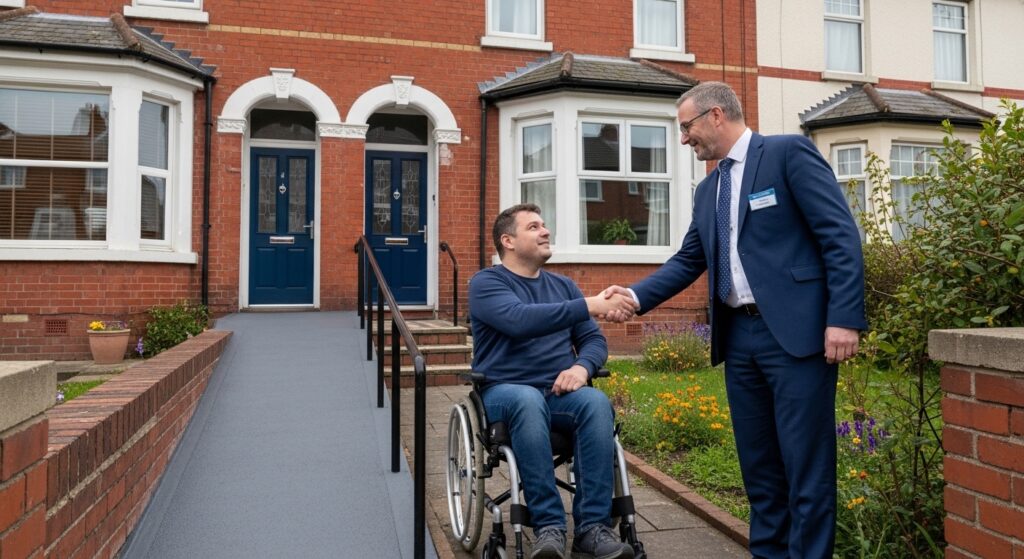
- Ramps and step-free entrances
- Widened doorways
- Pathway adjustments
Movement Inside the Home
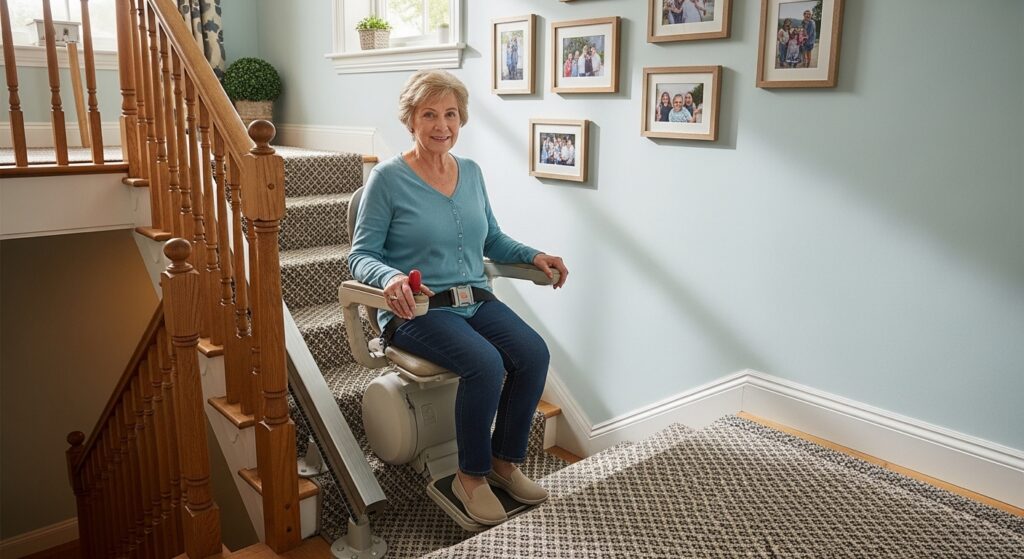
- Stairlifts
- Through-floor lifts
- Handrails and grab rails
Bathroom Adaptations
- Walk-in showers or wet rooms
- Raised toilets
- Accessible baths
- Anti-slip flooring
Kitchen Changes
- Lowered worktops
- Adapted sinks and taps
- Improved layout for wheelchair access
Bedroom Adjustments
- Moving a bedroom downstairs
- Creating accessible sleeping areas
Safety Features
- Alarm systems
- Adapted lighting
- Smart home controls
What Is Not Covered?
The DFG does not fund:
- General home improvements
- Cosmetic upgrades
- Non-essential renovations
Everything must be directly related to your disability needs.
The Role of an Occupational Therapist
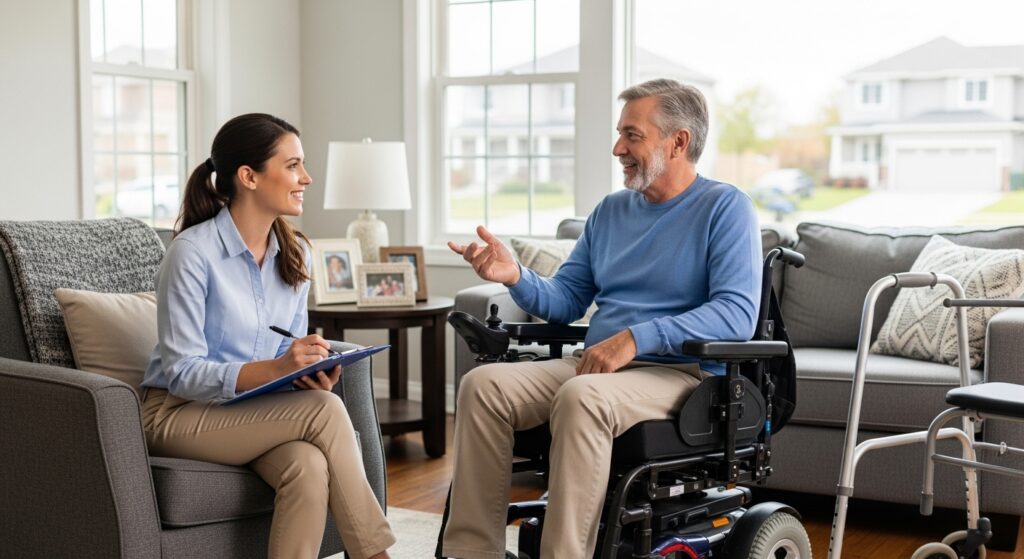
An Occupational Therapist (OT) plays a key role in the process.
They will visit your home and assess:
- Your daily routine
- Physical limitations
- Safety risks
- Practical challenges
Based on this, they recommend the adaptations needed.
👉 Their report is one of the most important parts of your application.
Be honest during the assessment. Explain your worst days, not just your best.
How to Apply for the Disabled Facilities Grant (2026)
Step 1 – Contact Your Local Council
Start by contacting your council’s housing or adaptations team.
In some areas, a Home Improvement Agency (HIA) manages the process.
Step 2 – Arrange an Assessment
Request an occupational therapy assessment.
You can also be referred by:
- GP
- Social worker
- Hospital team
Step 3 – Submit Your Application
You will complete a form and provide:
- Personal details
- Property details
- OT report
- Supporting documents
Step 4 – Means Test
Adults will go through a financial assessment.
Step 5 – Approval Decision
The council must respond within 6 months.
Step 6 – Work Begins
Once approved:
- Contractors are arranged
- Work is completed
- Payment goes directly to the contractor
How Long Does It Take?
The full process can take:
- 6 to 18 months depending on location
If urgent, you may get faster support.
What If the Grant Is Not Enough?
If costs exceed the limit, you may access:
- Council top-up funding
- NHS funding (in some cases)
- Charitable grants
- Home improvement grants
Organisations like Scope and Turn2Us can help find additional support.
DFG for Private Tenants
You can still apply if you rent privately.
However:
- You need landlord permission
- Landlords cannot unreasonably refuse
If issues arise, contact Citizens Advice or Shelter.
Minor Adaptations – Faster Support
Smaller changes may not require a full DFG.
These include:
- Grab rails
- Small ramps
- Non-slip flooring
- Handrails
These are often:
- Free
- Quick to install
- Not means-tested
Frequently Asked Questions
Can I apply as a tenant?
Yes, with landlord permission.
Does this affect my benefits?
No, the grant does not affect benefits.
Do I repay the grant?
Usually no, unless you sell within 10 years.
Can I get a stairlift?
Yes, if recommended by an OT.
How long does it take?
Typically 6–18 months.
Useful Resources
- GOV.UK – Disabled Facilities Grant
- Foundations UK
- Citizens Advice
- Shelter UK
Final Thoughts
Your home should support you, not limit you.
The Disabled Facilities Grant exists to remove barriers and make everyday life easier. Whether it’s installing a stairlift, creating a safe bathroom, or improving access, the right adaptation can completely transform your quality of life.
If you are struggling at home, do not wait.
Start the process by contacting your local council. The sooner you apply, the sooner changes can be made.
This guide is based on 2026 UK information. Always check with your local council for the latest updates and eligibility criteria.