
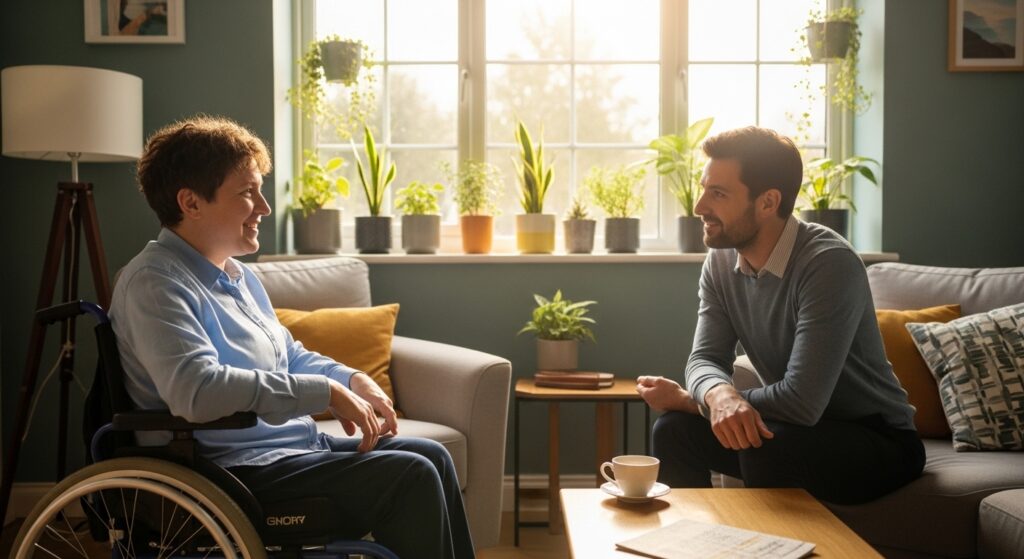
Living with a disability in the UK means dealing with challenges that go far beyond the physical. While mobility or health conditions are visible, the emotional impact often stays hidden.
Many disabled people experience anxiety, depression, burnout, or isolation. At the same time, accessing support can feel difficult due to long waiting times, lack of accessibility, or services that don’t fully understand disability.
This 2026 guide explains what support is available, how mental health affects benefits like PIP, and where to find real help in the UK.
Why Mental Health and Disability Are Connected
Living with a disability can directly affect mental wellbeing. This is not a weakness. It is a natural response to difficult circumstances.
Common factors include:
- Chronic pain and fatigue
- Loss of independence
- Social isolation
- Financial pressure
- Stress from benefit assessments
- Uncertainty about the future
- Grief over lifestyle changes
Mental health conditions themselves can also be considered a disability under the Equality Act 2010 if they have a long-term impact on daily life.
Disabled people in the UK are around twice as likely to experience anxiety or depression compared to non-disabled people.

NHS Mental Health Services
GP – Your First Step
Your GP is usually the starting point. They can:
- Discuss symptoms
- Prescribe medication
- Refer you to therapy
- Provide fit notes
- Coordinate your care
If you feel unheard, you can request another GP or ask directly for a referral.
NHS Talking Therapies (IAPT)
NHS Talking Therapies offer free support for:
- Depression
- Anxiety
- PTSD
- OCD
- Panic disorders
You can self-refer online, without seeing a GP.
Therapies include:
- Cognitive Behavioural Therapy (CBT)
- Counselling
- Guided self-help
Sessions are available face-to-face, by phone, or online, which is helpful for people with mobility issues.
Community Mental Health Teams (CMHT)
For more serious conditions, you may be referred to a CMHT. These teams provide:
- Specialist assessments
- Long-term support
- Psychiatric care
- Crisis planning
Crisis Support (24/7)
If you need urgent help:
- NHS 111 (press option 2 for mental health)
- Samaritans – 116 123
- Shout – Text 85258
- Emergency – 999
You do not need to wait until things get worse. Support is always available.
Mental Health Charities in the UK
These organisations offer valuable support:
- Mind – Advice, helplines, and local services
- Scope – Disability-specific emotional support
- Rethink Mental Illness – Support for severe conditions
- Anxiety UK – Specialist anxiety support
- CALM – Mental health support, especially for men
- Carers UK – Support for unpaid carers
Many services are free and accessible online or by phone.
PIP and Mental Health
Yes, you can claim Personal Independence Payment (PIP) for mental health conditions.
PIP is based on how your condition affects daily life, not just diagnosis.
Activities Assessed Include:
- Preparing food
- Taking medication
- Communicating
- Social interaction
- Planning journeys
- Managing money
Conditions that may qualify:
- Depression
- Anxiety disorders
- PTSD
- Bipolar disorder
- OCD
- Schizophrenia
Tips for a Strong PIP Claim
- Describe your worst days
- Give real examples
- Include medical evidence
- Use a PIP checker before applying
- Appeal if refused
Many mental health claims are initially rejected but later approved on appeal.

Barriers to Getting Support
Accessibility Issues
Some therapy locations are not accessible.
Solution: Ask for phone or video sessions.
Lack of Disability Awareness
Some therapists may not understand disability.
Solution: Choose therapists with relevant experience.
Long Waiting Times
NHS services can take months.
Solution: Use charity support while waiting.
Communication Challenges
Explaining symptoms can be difficult.
Solution: Bring a carer or prepare written notes.
Self-Care That Actually Helps
Alongside professional support, these strategies can improve mental wellbeing:
- Peer support groups (online communities)
- Mindfulness apps (like Headspace or Calm)
- Journaling
- Spending time outdoors
- Creating a routine
- Limiting negative news and social media
Small, consistent actions make a real difference over time.
Support for Carers
Carers often face burnout and stress.
Available support includes:
- Carers UK Helpline – 0808 808 7777
- Local support groups
- Free Carer’s Assessment from your council
Frequently Asked Questions
Can I get free therapy on the NHS?
Yes, through NHS Talking Therapies.
Is mental health a disability?
Yes, if it significantly affects daily life.
Can I claim PIP for anxiety or depression?
Yes, based on how it impacts your daily activities.
What if I can’t leave home?
You can access therapy by phone or online.
Is there support for carers?
Yes, through Carers UK and local councils.
Useful Resources
- NHS Talking Therapies – nhs.uk
- Mind UK – mind.org.uk
- Scope – scope.org.uk
- Samaritans – samaritans.org
- Anxiety UK – anxietyuk.org.uk
- Rethink Mental Illness – rethink.org
- Carers UK – carersuk.org
Final Thoughts
Mental health is just as important as physical health. For disabled people in the UK, the challenges are real, but so is the support available.
If you are struggling, you are not alone. Whether it’s speaking to your GP, contacting a charity, or reaching out in a moment of crisis, help is there.
Taking the first step matters.
This article is for informational purposes only. If you are in crisis, call Samaritans (116 123), text SHOUT to 85258, or call 999.